
My Take Tuesday: The Attribute of Adaptability
In 1971, the Rocky Mountain elk (Cervus canadensis nelsoni) was rightfully named the official state animal of Utah. Known also as wapiti—a word gifted to us by the Shawnee and Cree, meaning “white rump”—this noble creature stands as one of the great icons of the American West. A member of the deer family, the elk holds kinship with the mule deer and the moose that roam our wild places. Yet among these, the elk is perhaps the most gregarious, gathering in herds that can number over 500, moving as one across vast and varied landscapes.
The elk is a sight that stirs the soul in any season. Towering and regal, these animals are more than just symbols of strength—they are living embodiments of adaptability and grace. Few creatures move so effortlessly between worlds. Whether wandering the dense forests, crossing windswept plains, ascending rugged mountains, or traversing sunbaked deserts, the elk adapts and endures. Their diet is as varied as the lands they inhabit: grazing on grasses throughout the year, browsing woody plants in winter’s grip, and feeding on tender forbs in the warmth of summer. It is this adaptability that has secured their place in the wild for countless generations.
Here in Utah, they range from the lofty heights above Skyline Drive, at elevations surpassing 11,000 feet, to the red rock canyons and open desert expanses of the San Rafael Swell. They are as at ease beneath the towering quaking aspens and Douglas firs as they are among the twisted junipers and fragrant sagebrush of our state’s arid lands.
As a boy growing up near the Manti-La Sal National Forest, I was blessed with frequent glimpses of these majestic creatures. I remember autumn nights spent camping beneath a canopy of stars, the air crisp and still. In that sacred silence, there would often rise a sound unlike any other—the haunting bugle of a bull elk. It begins as a deep, resonant call, rising swiftly into a high, ethereal whistle before cascading into a series of low grunts. It echoes through pine-clad ridges, sweeps across broad valleys, and rolls down winding canyons. Even the most seasoned woodsman feels his heart quicken at that sound. It is nature’s anthem—raw, wild, and beautiful. To hear it is to feel something ancient awaken within you.
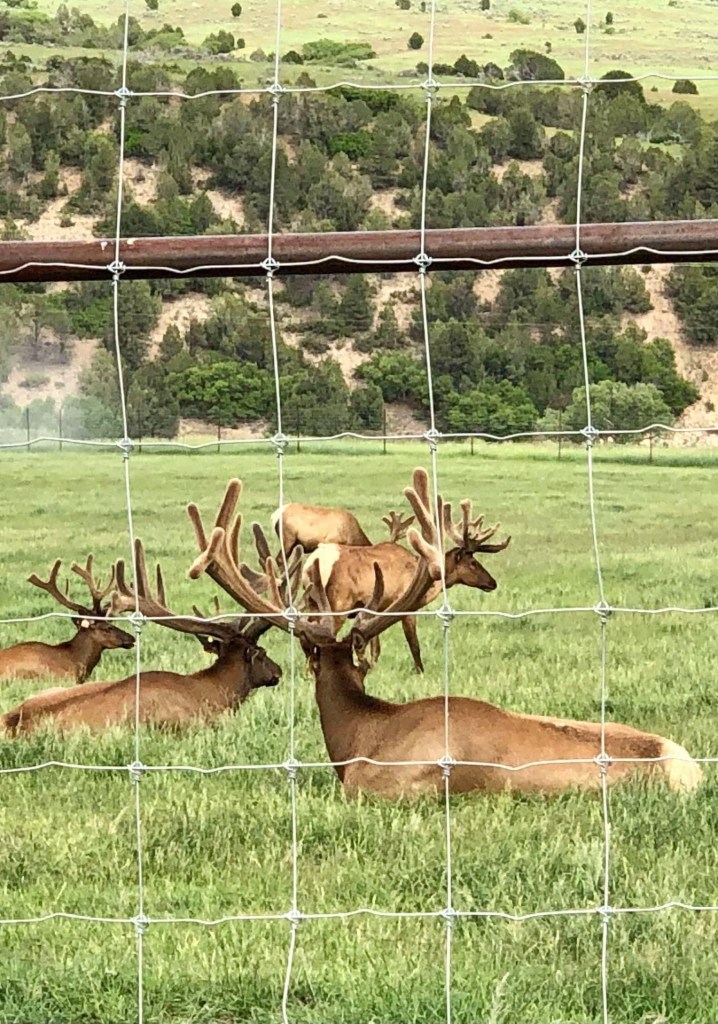
As a veterinarian, I now have the distinct honor of working with several herds of elk. Each encounter deepens my reverence for these animals. They are more than their strength and size; they embody resilience, freedom, and the unbreakable will to endure. Pictured here is a herd near Birdseye, Utah—a breathtaking reminder of the wild heritage we are privileged to witness and protect.
The elk is a symbol of power and perseverance, but also of freedom in its purest form. From them, we learn the wisdom of adaptability. Were we to embrace even a measure of their ability to adjust and thrive, we too would be unshaken by life’s changes. We would be courageous, steadfast, and bold—undaunted by the unknown.
When I am faced with life’s uncertainties, I often think of the majestic Rocky Mountain elk—standing tall against the piercing wind, unyielding, and at home in any land.
And that is my take.
N. Isaac Bott, DVM
 DocBott
They are beautiful majestic creatures and your description of their bugle is right on. They send chills up my back!
LikeLike