
My Take Tuesday: Mold-A-Rama, the Magical Manufacturing Marvel
I had the privilege of being raised on a small farm in Castle Dale, Utah. Living in a small town had its perks for sure, for one, I rarely had to tell my parents when I got in trouble at school; as fast as word spreads in a small town, someone had almost always beaten me to it and mom and dad knew all of the details before I could even get home.
I loved growing up in a small town. I treasure the many wonderful people who helped shape my education and point me on the path I am on today.
My parents would set aside a few days each year where we could get away from the daily farm chores and spend time together as a family. I always looked forward to the time when we were able to leave Emery County and travel to the big city.
Vacations while growing up were typically short, lasting only a couple of days. I have many fond memories of visits to all of the national parks in the state and overnight trips to Salt Lake City. The overnight trips to Salt Lake were often planned around business meetings for my dad. We would typically come up early Friday morning and return home late Saturday.
We would usually stay at the Red Lion hotel in downtown Salt Lake. This hotel is still there, but it is now a Hilton hotel. I still remember the hotel layout. The swimming pool was located on the second floor. We must have stayed there a dozen times growing up.
Breakfast was always west of the temple at a Denny’s restaurant. It was a short 5 block walk from the hotel. I remember enjoying these meals immensely, despite the food being typical greasy breakfast items.
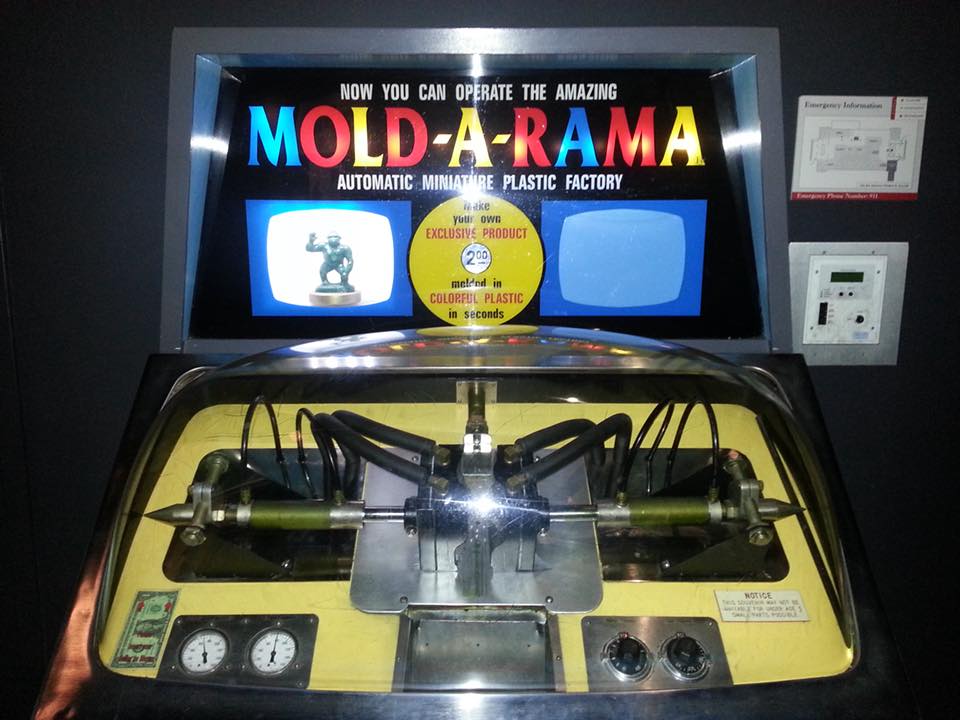
Following breakfast on Saturday morning, we would make a trip to the zoo. As children, we loved visiting the Hogle Zoo. I particularly looked forward to the Mold-A-Rama machines. These peculiar machines would make wax animal figurines on demand. The process melted polyethylene pellets at about 225 degrees and then injected the resulting liquid into a two-piece mold. Before the plastic could completely cool, a blast of high-pressure air would push any remaining liquid out a drainage hole in the bottom of the mold, leaving the sculpture hollow. Next, antifreeze was pumped inside and then drained to cool and harden the waxy plastic shell. The mold separated and the finished figure was ready. The whole process took less than a minute to complete.
For a five-year-old kid, they were a magical manufacturing marvel. These figurines were of many different animals and colors. I remember getting a gorilla, a giraffe, a lion, and many others. I still remember the smell of the freshly molded wax. The animals were quite hot when they came out of the machine, necessitating a fair amount of cooling off by rapidly blowing on them from all sides.
These were treasures to us. They would eventually crumble and fall apart, but they were placed on shelves in our rooms until that happened. There was something mystical and mysterious about owning a 4-inch mold of wax shaped like a gorilla.
Much of my love for animals was sparked by these trips to the zoo. In particular it instigated the comparative curiosity that has made my career so unique. I remember comparing different breeds of monkeys and apes, using the appearance of their hands, in particular their thumbs. I also wondered what was inside the camel’s humps, a question that took over 20 years to find the true answer, which came firsthand from the world’s foremost expert in this species. These trips led to my collecting zoo animal cards and reading about animal facts as a hobby.
It is impossible to look forward and connect the dots of the random chances in our lives, but looking back, I can see it clearly. It is interesting how these experiences all pointed to what I now do as a profession. I am glad I had the opportunity to go on these annual trips and for the wonderful memories that still remain.
And that is my take.
N. Isaac Bott, DVM
 DocBott
Great story. You have a knack for telling a great story.
LikeLike