Up A Tree

My Take Tuesday: Up A Tree

In the early spring, when the ice and snow begin to disappear, most of the fields in Utah County are a muddy disgusting mess. A farmer would be wise to avoid calving their cattle during this time. A clean environment required for calving is impossible to find in a swampy, muddy field.

Dwane is not a typical farmer. To him, this is the perfect time of year for calving. His solution to the muddy disgusting mess in his pasture was simple: A four wheeler.

Each morning he would ride around the cow pasture to check on his pregnant stock. On this particular day, had spotted one cow calving and could see the infant’s nose and one foot exposed. Circumstances such as this require help from DocBott.

“Hey Doc, I need some help with one of my cows,” Dwane stated matter-of-factly, “She is kind of a wild one, so I don’t dare work on her by myself.”

I know better than to get myself into a situation like this. There is no way it can end well. Unfortunately, as it often goes, I gave in and headed towards Dwane’s place in Palmyra.

Dwane sat, on his Honda four wheeler at the gate. Every inch of the machine was covered in dark brown mud. As I looked into the field, I could see a few cows standing literally knee deep in mud.

“What a mess!”, I exclaimed, “Dwane, you really need to get a barn if you are going to calve out this time of year.”

“Yeah, I know,” he replied, “But you know how beef prices are this year.”

He did have a point, unpredictable and forceful influences that have negligible affect on most businesses, can dramatically alter the beef industry. From changing product demand, rising input costs and market fluctuations, to weather patterns and even consumer nutrition and lifestyle trends, farmers and ranchers must balance a long list of variables in order to be successful. The beef industry is not for the faint of heart.

“Where is she?,” I asked.

“Hop on, Doc, I will take you to her”

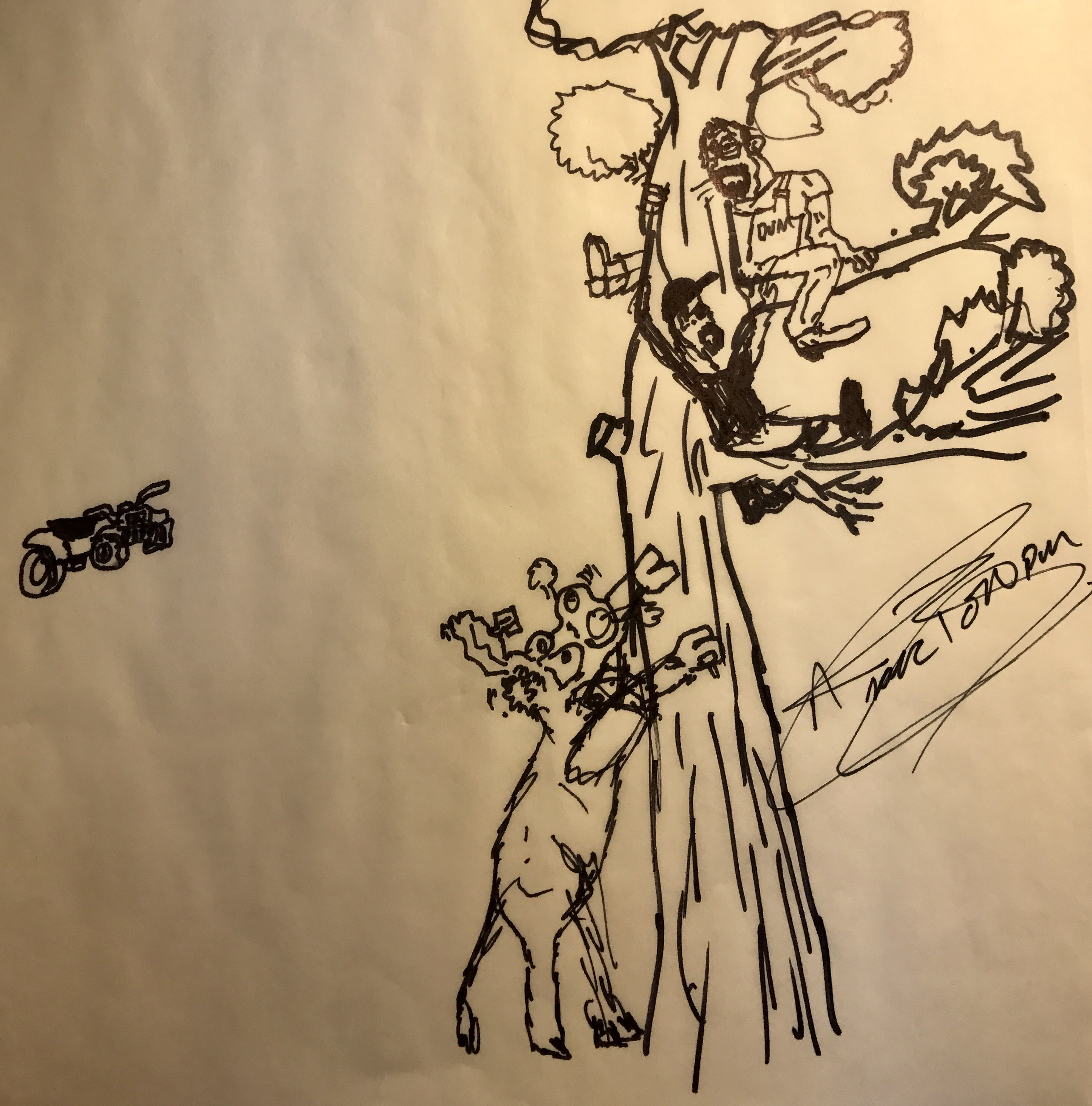
Out in the center of the field, along side a large cottonwood tree, the big Angus cow was comfortably sitting. As we approached her on the four wheeler, the wide eyed cow jumped up on her feet. Almost instantly, out popped the calf.

“Wow!” Dwane explained, that was easier than I thought it would be.

“It sure was,” I replied.

We should have just kept driving on the four wheeler at this point. The mother and newborn were both apparently healthy. There was no reason to stay, except that Dwane felt this was an opportune time to put a tag in the calf’s ear while we were near.

We dismounted and quietly approached the new born calf. Dwane reached down and quickly placed the tag in the left ear of the calf. The small calf let out a quiet but deliberate “moooooo”.

No sooner had the calf opened its mouth, the cow charged. She hit Dwane squarely in the chest. He immediately flew backwards towards the tree. He quickly jumped up and raced behind the tree, trying to use its massive trunk as a shield from the raging bovine.

I raced behind the tree as she bellowed and snorted. I looked at Dwane and he looked at me. We both knew there was only one way out – and that was up! We both climbed as fast as we could. Our mud covered rubber boots slid as we tried to climb the massive tree.

A large low hanging branch provided support as we held on and climbed on top of the life saving perch.

“Are you ok?” I asked

“Yeah,” Dwane replied between gasps, “I thought we were both dead!”

“Me too!” I agreed.

Fortunately, we have cell phones in today’s world, if not for that, Dwane and I would have had to stay in the tree for who knows how long.

“Just look for a four wheeler and a savage cow circling a tree,” I heard Dwane say as he grinned.

As we rode out of the pasture, he commented, “Hey Doc, I think I just might get that barn after all.”

“That sounds like a great idea,” I agreed, “I’m not much of a tree climber!”

And that is my take.

N. Isaac Bott, DVM

The Alpine Buttercup

My Take Tuesday: The Alpine Buttercup

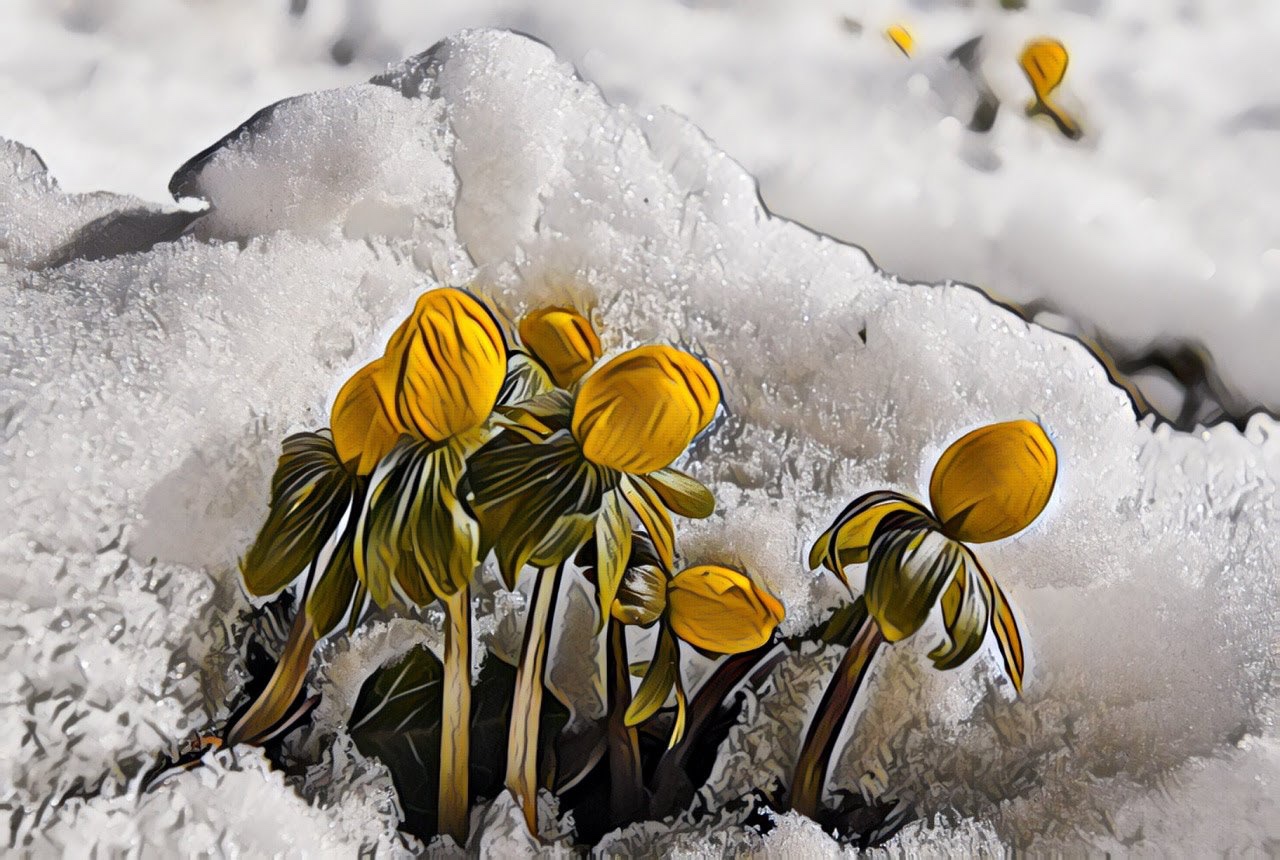
One of my favorite flowers is the Alpine Buttercup. Seen only by those who venture near or above the timberline, it follows the melting snow into the sunshine. In the early spring, it fights its way up through the cold hard earth. Along the snow banks high in the Rocky Mountains, this flower is the first to emerge, often blooming through the melting snow.

I have often wondered how this plant can be so hardy. Ranunculus acraeus is a plant of environmental extremes, hence the species name acraeus, meaning “on high”.

I often wonder what it would be like if we could switch roles with the buttercup. What if we could be as resilient as this small plant?

We would become this tender whitish-yellow chute. It hasn’t felt the suns warmth, the green is yet to come. This tender seedling pushes up through the cold hard ground.

The moment it emerges, it is subject to all of the dangers and injury that can befall anything alive and growing. A wandering deer passes by and steps on the tender plant and smashes it down. Yet, the chute pushes back up.

A hungry chipmunk discovers the plant and bites off its tender delicacy. Still out of it’s reservoir of power, the buttercup pushes up.

It struggles toward to the sun, despite the adversities that attack it.

Then one day it bursts into a tight yellow bud.

It affirms that underneath the old rotten layers of winter snow there is new good life.

My thoughts turn to an exchange in one of my favorite books, Edmond, who has suffered unspeakable torture and pain is addressing a young but courageous Albert. He says, “Life is a storm, my young friend. You will bask in the sunlight one moment, be shattered on the rocks the next. What makes you a man is what you do when that storm comes. You must look into that storm and shout… Do your worst, for I will do mine! Then the fates will know you as we know you.” (Alexandre Dumas, The Count of Monte Cristo)

The fleeting emotion we call happiness, is but a comparison of one state to another. And as such, those who have experienced extreme pain and grief, are most capable to experience supreme happiness.

Life is full of brambles and thorns. It has to be. There is no growth without challenge, and no challenge occurs without some level of uncertainty and presentation of incommodious circumstances.

A few years ago, during a severe winter storm, I passed a herd of bison standing in a large meadow on the side of the road. The storm was intense, with over 18 inches of accumulation in just a few hours. The bison, ironically, stood still in the middle of the meadow. In conditions that would kill entire herds of cattle, these majestic animals stand face first in the winter fury as the wind blows and the snow accumulates. They don’t turn their hindquarters into the wind, nor do they move with it. They stand and face the storms of life undaunted, stoic and valiant.

Perhaps we would do well to emulate the bison, as we face the uncertainties and challenges that we face in life. The storms of life will inevitably come, so why not face them? And face them with strength, determination, and power. Sure, it’ll feel uncomfortable at first, it may even be scary, but if we get comfortable with the feeling of being uncomfortable – that discomfort will begin to lessen.

I don’t know how long your storm will last or how intense it is. But I am confident we will all fare the storm better if we face it head on. Just breathe, put your head down and find a way through. We must have tough times to fully appreciate the good times that lie ahead.

Just like the Alpine Buttercup, we all contribute to the beauty of this world. We are an infinitesimal part of it. Still each of us, no matter how humble, no matter how lowly or simple, we all have a critical part to play.

We only must recognize our role and take it on.

Either we bloom, or we sadly wither away.

And that is my take.

N. Isaac Bott, DVM

My First Surgery

61203323_1301397513358153_4797176984402657280_n.jpg

My Take Tuesday: My First Surgery
 
I was raised on a small farm in Castle Dale, UT. We raised Guernsey milk cows, Suffolk sheep and many varieties of chickens and pheasants. My daily chores included feeding the chickens and gathering the eggs.
 
One day after school, I walked into the barn that housed the chickens. The barn was divided into three equal rooms. The first room is where we would store stacked straw bales. The second and third rooms were where the chickens and pheasants were kept.
 
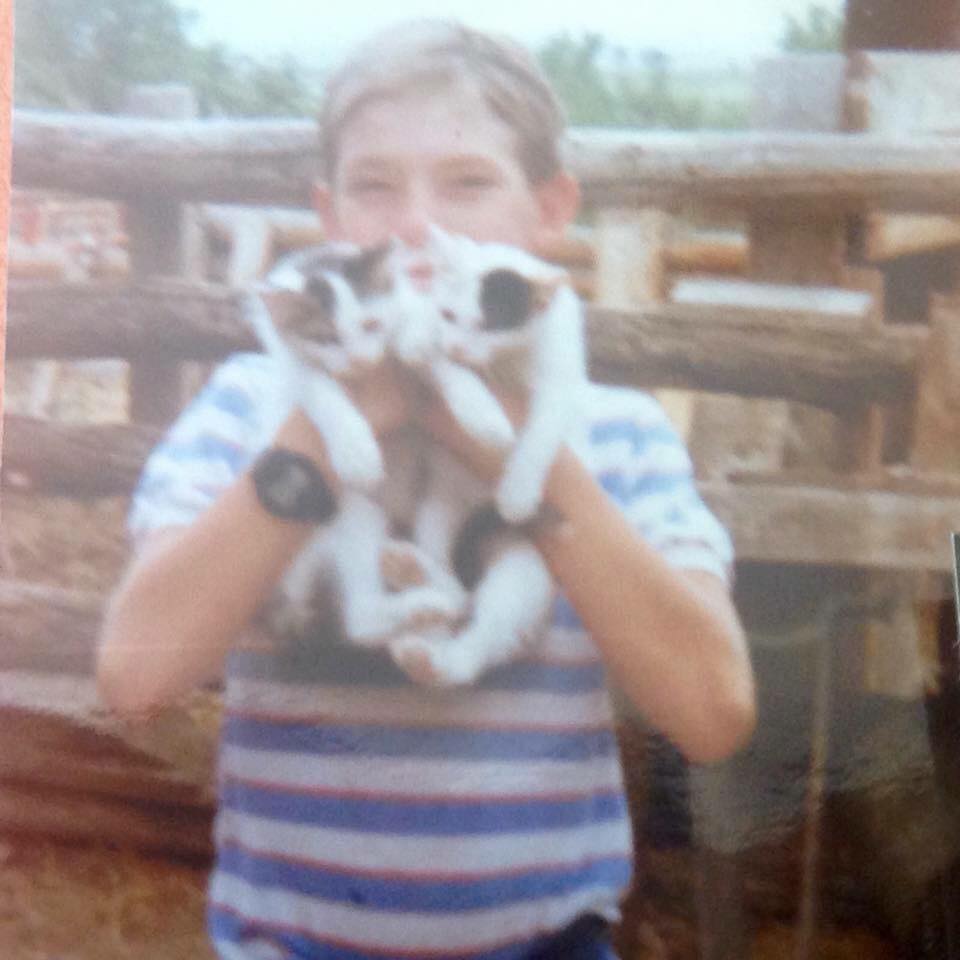
On this particular day, I found our calico cat nestled with her newborn kittens. She was lying right next to the straw stack, on the ground near the chicken coop door. There were seven in all. As an 8 year old, and still to this day, new babies of any kind are an exciting experience. I dropped down and began counting the tiny kittens. I was so thrilled!
 
As I handled the small kittens, I noticed that something wasn’t quite right. The umbilical cord from one of kittens was wrapped tightly around a leg of each of the kittens. If I picked one kitten up, the entire litter would follow as if they were chained together. I tried to remove the cord with my fingers, but it was far too tight. Even as a little kid, I knew that something had to be done.
 
In Castle Dale at this time, we did not have a veterinarian. The only veterinary services available were on Thursdays when a veterinarian would travel from Richfield. It was early afternoon, so my dad was not going to be home from work for a couple of hours. I had to figure something out for myself.
 
I reached in my pocket and pulled out my Swiss Army knife. It was one that had a myriad of blades, nearly all of them never used, and a tooth pick and small set of tweezers in the handle. I opened the smallest cutting blade and bent down. I very carefully cut the umbilical cords from each of the kittens. I used some iodine to keep the procedure as clean as possible.
 
The procedure was a success. All of the kittens survived.
 
Fortunately, I no longer use my Swiss Army knife for surgeries. Although my surgical skills have been refined and perfected, I still have the curiosity and passion that that 8 year old displayed. I love being a veterinarian. The satisfaction I felt that day long ago is repeated every time I am able to help save a life.
 
I look back on my first surgical experience with fondness. It was one of the important milestones in my path to becoming who I am today.
 
And that is my take!
N. Isaac Bott, DVM
 
Pictured is Dr. Bott with two of the kittens from this story in 1988

The Courage to Change Course

My Take Tuesday: The Courage to Change Course

In late September of 2011, a major typhoon hit the Philippines. Torrential rainfall flooded the streets and sustained winds exceeding 120 mph decimated everything in the path of the storm. Typhoon Pedring taught me an important lesson regarding the perils that Mother Nature can present.

I sat watching the sheets of rain falling down from the window of a small laboratory. I had spent the morning freezing water buffalo semen, an extensive process that takes several hours to complete. I made the decision to hurry and finish the job before heading back to the hotel. The storm was set to hit just about 4:00, just about the time the project would be complete. I thought it was worth the risk to just hurry and get things finished up. Little did I know that the massive storm was fast approaching and already bearing down on the small village.

As I peered out into the pouring rain, water quickly began to run down the streets. It was clear that the storm had arrived and that I had better get back to the hotel as soon as possible. I worried that perhaps I had made a foolish choice by remaining at the lab.

I flagged down a motorcycle taxi and gave him the address of the hotel. These taxis are popular in the Philippines. This unique form of transportation has a motorcycle in the front and two wheels in the back with a compartment containing a small seat that will hold two average sized Filipinos. My 6’2″ frame does not fit well in these taxis. I have to crouch down and lift my knees up to just fitting the seat. The ground clearance of the cab portion is only around 10 inches. The ride proved to be most uncomfortable.

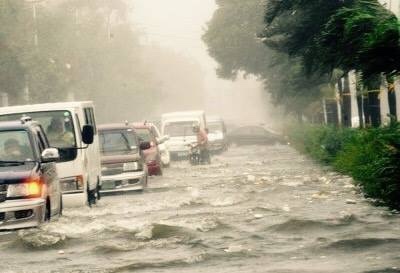
As we headed down the street, the water continued to rise. The engine began to squeal as the driver desperately tried to maneuver through the fast moving water. The water poured through the open door and across the floor of the compartment I was riding in. There was no way I could readjust my position, as my knees were nearly touching my chest. All of the sudden, the raging water picked up the motorcycle taxi and carried it swiftly down the street. The driver began to panic, the tires were no longer touching the ground and we were floating in the wrong direction and had absolutely no control of our direction of travel. I was stuck and was absolutely helpless.

The taxi slammed against a cement railing along the side of a very large bridge. We were just a few feet away from plunging over the edge to certain death. Thankfully, the driver was able to get traction and maneuver the taxi out of the precarious situation and we safely continued on to the hotel. I arrived, soaking wet, in shock and very much grateful to be alive. The rain continued to pour down for the remainder of the day. Over 24 inches fell within a 24 hour period.

As soon as the storm passed, I boarded a flight from Manila en route to Utah via Nagoya, Japan. As we cruised at 30,000 feet just north of the Philippine Islands, severe turbulence began to toss our plane around. An unassuming passenger that was unbuckled was thrust so hard from his seat that his head hit the baggage compartment. It was clear that something was not right.

In the chaos, the pilot announced the following, “We are approaching Typhoon Pedring and if we continue on this course, this storm will rip this plane apart.” People could be heard screaming following this announcement. I couldn’t believe that the pilot would even suggest that the plane was in danger of coming apart. Just when things couldn’t possibly get worst, a lightning strike hit the plane. The damage was minimal, thankfully, and the pilot was able to change course and get us safely to Nagoya and then on to the USA.

Looking back now, I am grateful that the experienced pilot had the wisdom to know his own limitations along with the capacity of the airplane. His judgement, undoubtedly saved the lives of all on board.

In today’s society, there seems to be a misconception that quitting is failing.

We grow up categorizing each situation we encounter as being either a success or a failure.

Believe me, I’ve spent years of my life unwilling to quit things. Those who are stubborn will often go far — too far — to ensure it’s not a failure. But that is not always a smart choice. I submit that truly successful professionals often find that there is a time to reassess readjust, and if needed correct the course they are on.

Truly incredible individuals can vouch for this with stories of perseverance, resilience and success. I have also found that if you believe failure is the easy way out, quitting can often be far more difficult than continuing.

I recently read a book titled No Shortcuts to the Top. The book was written by Ed Viesturs. Ed has climbed Mount Everest six times and is the only American to have climbed all 14 of the world’s highest mountain peaks. Each of these mountains tower at least 26,000 feet above sea level.

On one climb Ed actually had to climb one mountain twice. The first time, he was forced to turn back back just 300 feet from the top as he did not feel that he could honestly claim the summit. In the pages of his book, he vividly describes fatal errors in judgment made by his fellow climbers as well as a few of his own close calls and gallant rescues.

Nothing in life comes easily. Success requires hard work. This path to success if filled with difficult choices, triumphs and even devastating failure. However, these failures are opportunistic pathways that, if they are navigated carefully, will lead to future success.

As Hesiod, the Greek poet so eloquently put, ‘Badness you can get easily, in quantity: the road is smooth, and it lies close by. But in front of excellence the immortal gods have put sweat, and long and steep is the way to it, and rough at first. But when you come to the top, then it is easy, even though it is hard.”

I learned a lesson the hard way on a rainy day in the Philippines. Since then, if my instincts are telling me something, I know it is best to trust them and listen.

And that is my take.

N. Isaac Bott, DVM

Pictured is a view of a street during the severe flooding during Typhoon Pedring in the Philippines

Why did you become a veterinarian?

12418054_593214744176437_3499102661098627318_n-3.jpg

My Take Tuesday: Why did you become a veterinarian?
 
I hear this question on a regular basis. Each veterinarian has a story about why he or she decided to pursue a career in veterinary medicine. Most veterinarians share a commonality – that they have always wanted to be a veterinarian as long as they can remember. My story is a little bit different. I have always loved animals, but didn’t decide to become a veterinarian until the age of 21.
 
To tell my story, I must start at the beginning.
 
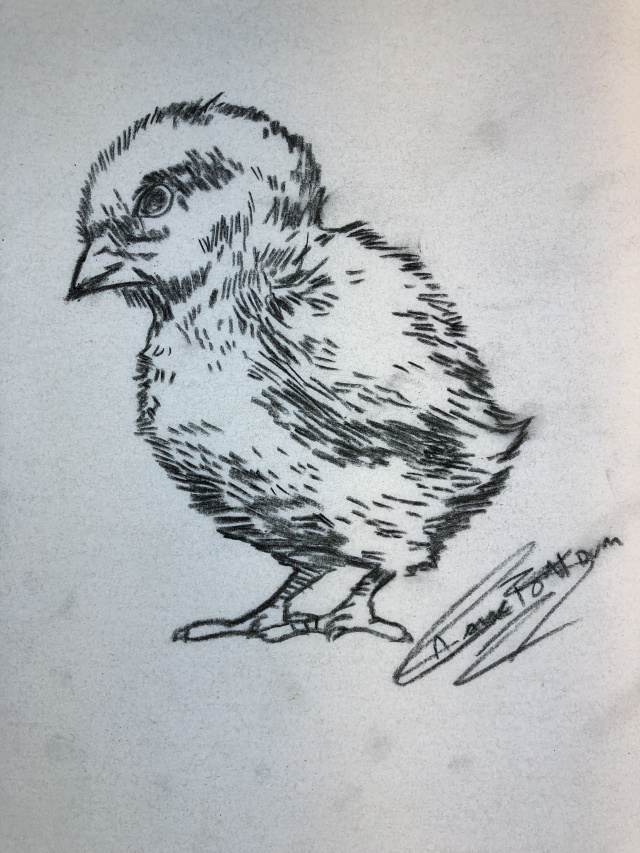
I was raised on a small farm in Castle Dale, UT. My first responsibilities as a child were to feed the chickens and gather the eggs. I began this task at 6 years of age. Each year we would purchase a variety of baby chicks from Murray McMurray hatchery. They would arrive at the post office on a scheduled day. I would wait with eager anticipation for this time. To me it was just like Christmas.
My dad would let each of us pick out a chick that was “ours”. I would always name mine. I first experienced the remarkable human – animal bond with my chickens. I cried when they died. As a child, chickens became my favorite animal, and remain so until today.
 
Even though I spent my entire childhood around animals, I did not put much thought into becoming a veterinarian. In high school, I took an aptitude test. The test results suggested that I would not make a good veterinarian. I was not introverted. According to that particular test, I could not be successful as a veterinarian. Assuming that these tests were accurate, I pushed the veterinary idea out of my head and considered a law degree.
 
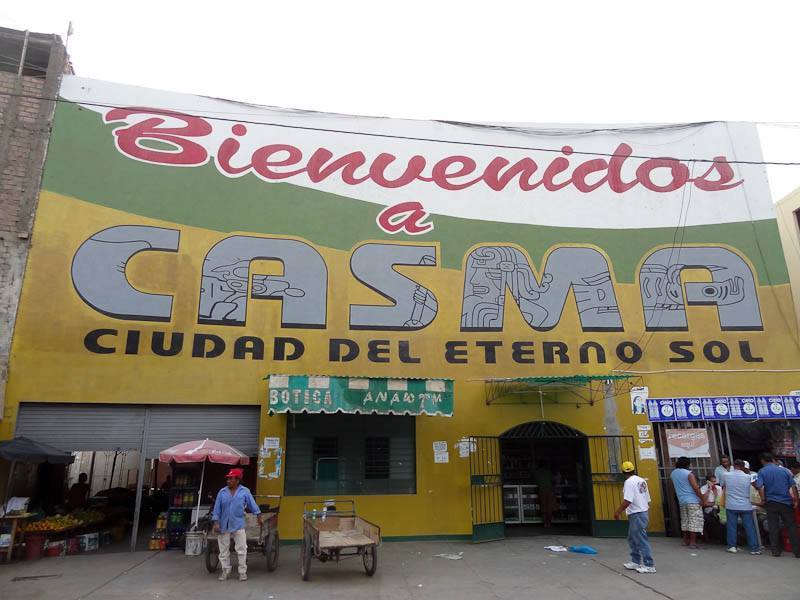
After I graduated from high school, I spent the next two years in Peru. I was immersed in a culture so much different from the one I was used to. It took nearly a year for me to adjust and to speak fluent Spanish. I remember walking down the street in Casma, Peru one day and seeing a group of men in the process of castrating a bull. It was a sight that I will never forget. They were beating the testicles with a large stick in an effort to destroy the testicular tissue and render the bull sterile. The brutality was sickening. I remember feeling so sorry for the bull.
 
That night I laid in bed thinking about why they would castrate a bull in such a barbaric fashion. I realized that perhaps that was the only way they knew how. Maybe they didn’t know any better. I decided at that moment that I would do all I could to teach these farmers a better way. Having a farming background, I was very familiar with animal husbandry and felt confident that I could help educate the farmers in this part of the world.
 
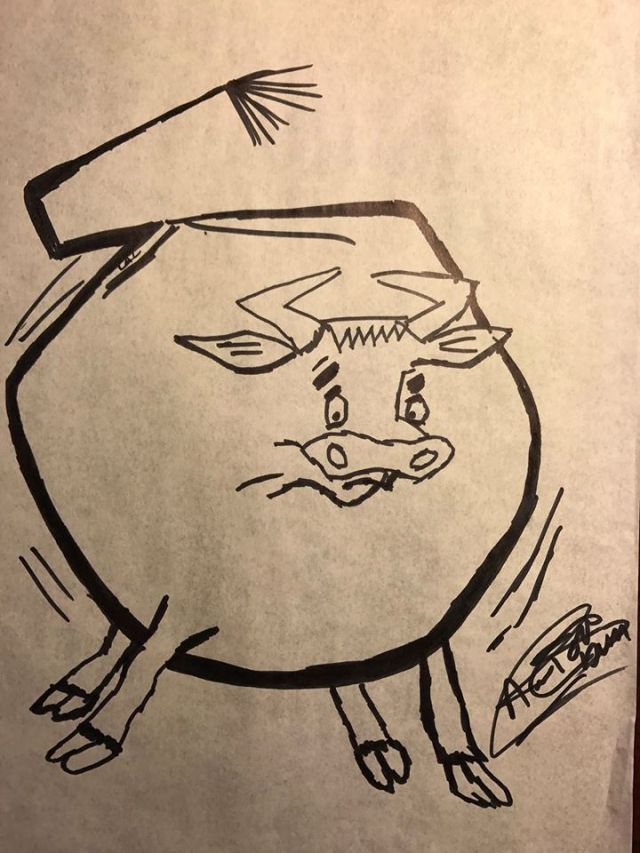
My first patient was a pig named Walter. He was a family pet that lived in a house in Casma. Walter had an attitude and his owners needed to have him castrated. I had a friend named Duilio Davelos that owned a pharmacy in town. I visited him and purchased some lidocaine, suture, iodine and alcohol. The procedure went flawlessly. Walter recovered very quickly. News spread of the event. Soon after, I began sending my free time on Monday’s castrating pigs. Farmers actually were open to learning. The supplies were very inexpensive and my services were free.
 
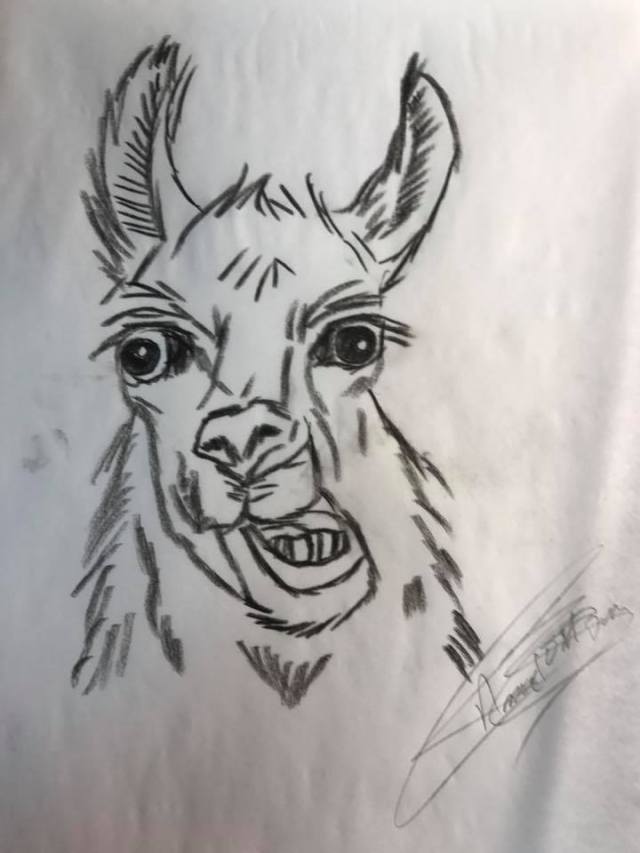
Next came chickens. Because of my time spent as a child taking care of baby chicks, I was able to teach basic poultry care and even help make incubators to boost production. I soon began helping with llama and alpaca herds. Soon, other curious Americans participated in this. In fact, a human dermatologist raised in Provo, UT had his first surgical experience South of Trujillo, Peru castrating pigs! It was very fulfilling to be able to help people out in this fashion. I felt like I was really accomplishing something. I was giving them something that would change the way they would treat their animals. No longer would they brutally castrate their animals without local anesthetic. They also knew how to surgically prep the skin, which eliminated so many post operative infections. I was helping people by helping their pets. It made me so happy.
 
As my time in Peru came to a close, I boarded a plane in Lima and headed back to the USA. As I sat in my seat, I reflected on the past two years. My thoughts kept returning to the animal services I rendered. It was in that moment, high in the air, that I decided to become a veterinarian. I landed in Utah, and a few weeks later began my first college classes. After 8 1/2 years or arduous study, my goal was reached and I became a veterinarian.
 
I often reflect on the decision I made. I look at how happy I am now. I love what I do. I love helping people by helping their animals. I have never had a boring day, nor have I ever regretted this career decision. I really feel like it is what I was meant to do.
 
So much in life happens by chance. I was fortunate to have my agricultural upbringing. It prepared me for the future. It is impossible to look forward and connect the dots of the random chances in our lives, but looking back, I can see it clearly.
 
I am glad that I had the chance to provide animal care in a far away place and how that opportunity led me down this remarkable path I am on today. I cannot imagine doing anything else.
 
And that is my take!
N. Isaac Bott, DVM
Forget Me Not

My Take Tuesday: Forget Me Not

There is a flower that grows in the beautiful mountains of Alaska. It is a tiny plant that is easily overlooked, it’s small and unassuming stature is easily lost as the surrounding vegetation is observed. However, on closer look, this flower is a remarkable example of nature’s masterpiece. The dark green stems and leaves are much like those of other plants, but its flowers are what make this flower unforgettable. The sky blue pedals perfectly match the beauty of a clear, cloudless day. The tiny flower displays a most unique and unforgettable beauty. It is a true marvel of creation and is aptly named, “Forget Me Not.”

A few weeks ago, I visited a massive cemetery. I walked quietly along the long never-ending rows of marble headstones. Many were from the 18th and 19th century. Moss was visible along the base of many of the markers. Names and dates, weathered and worn, were fading on many of them.

As I looked around, the headstones numbered in the thousands. Who were these people? What were they like? What is their story? Only a handful are remembered, and unfortunately, most are largely forgotten.

I pondered as I read the inscriptions. I questioned, “Is this what is to come of me? When I go the way of all living things, will I be remembered? Will I leave a legacy?”

My mind turned to the small cemetery in the town where I was raised. Castle Dale, Utah is a small place, one easily overlooked by most. The cemetery is located on the north end of Center Street. I spent a summer during high school working as a caretaker there. Each week, I would mow the lawn. Care was taken as the grass was trimmed around each and every headstone.

Many of my ancestors are buried in the cemetery in Castle Dale. My great great grandmother, my great grandparents, grandparents, a beloved uncle and an infant cousin all rest in this special place.

My great grandfather passed away long before I was born. I have a picture of him smiling and sitting on the grass in a pair of bib overalls. He is aged and tired, but his character is still evident in the old photograph. It reminds me of a wise observation that Thomas Edison made concisely by stating, “I have friends in overalls whose friendship I would not swap for the favor of all of the kings of the world.”

My grandfather died when I was only three years old. My memories of him are largely limited to what others have told me. He served as county clerk for over two decades. Like his father, he was a dry land farmer. He worked tirelessly to provide for his six children. The ground he and his father tilled and planted year after year, still remains in the family today.

My uncle passed away in 2016. I owe my very life to my uncle Jerry. Once, as a curious 5 year old, I was standing in the doorway to his kitchen. Jerry had a bag of those pink chalky wintergreen disc candies. I placed one in my mouth, and somehow got it lodged inside my trachea. He must have sensed my panic, but he calmly walked over and gave a firm push on my stomach and the piece of candy shot across the room. If you are lucky enough to know my uncle Jerry Bott, then you have the privilege of knowing the best person I have ever met. There is no better example of loyalty, charity and love than he was.

All three of their graves are located next to each other in the south side of the middle section. Each lived wonderful lives. Each treated their fellow men in kind with an honest word, a helping hand and a smile. With the years and the long hard miles, each always did their best. When the storms of life broke loose, each valiantly fought with courage.

As long as my heart beats, each will never be forgotten.

They inspire me still. Their legacy invites me to be a better father, a better friend, and a better man.

Like the small unassuming Forget Me Not flower, each of us, no matter how small or inconspicuous we are, have an important part to contribute to the tapestry of our posterity and the majesty of creation and life.

And that is my take.

N. Isaac Bott, DVM

The Late Night Call

My Take Tuesday: Late Night Call

The phone rang at exactly 2:03 AM. I jumped out of bed and sleepily answered, “Hello?”.

Calls like this often come in the early morning hours. Animals, it seems, have the worst troubles while we are sleeping.

“Hey Doc, can you come out to my place?”

“What’s going on?”, I responded, wiping the sleep from my eyes.

“It is one of my ewes, Doc, she has 5 hooves sticking out of her backside!”, he explained with a dramatic tone.

“Alright, I will be right there”, I replied, as I quickly changed my clothes and dressed for the outside temperatures. Situations like this seem to always occur in January, when the temperature is below zero.

I fired up my pickup truck and headed down the road.

Mr. Johnson was a long time client and a good sheep man. He knows enough to get through most situations and is good about calling me before all hope is lost.

Farmers like Mr. Johnson are becoming more and more rare. Large corporate companies have taken over so much of the agriculture industry and have forced the small guys out, sending along the notion that each individual animal has value simply because it lives. The loss of both equates to a disappearance of my favorite part of being a mixed animal veterinarian – the interactions I have with people. The ability to help individual people through service for their animals is the hallmark and joy of being a successful veterinarian.

Bravery and survival are sojourners, and Mr Johnson still fights daily to stay afloat and continue his 100+ year family legacy of sheep farming.

As I pulled into the Johnson ranch, my headlights hit the west side of the weathered old barn. Missing slats checkered the barn wood walls and added variety to the relic that can be seen during the day from the busy interstate, I-15.

As I stepped into the barn, Mr. Johnson greeted me warmly. “Hazel is making some hot chocolate for you Doc, we sure do appreciate you coming out in the middle of the night like this.”

He pointed me to the Suffolk ewe. She was indeed in distress, and sure enough, 5 legs and small hooves were protruding from her back side.

I calmly knelt down behind her and began my work. A trip a couple of years back to Auburn University provided me with a valuable trick in a situation like this. A small dose of Epinepherine was administered intravenously, and almost instantaneously, her uterus relaxed.

I gently pushed each of the legs back in and blindly felt around with my hand. A head was readily palpable, as was a tail, and a second head.

“Well, we at least have three!”, I exclaimed as Mr. Johnson anxiously looked on.

I continued to palpate until I was certain that I had two front feet from the same lamb and began the delivery. The first lamb was a large buck, nearly 18 pounds and jet black. The second and third were both ewes and were smaller and lighter in color. I then reached back in, and to my amazement, pulled out a 4th lamb. The last one was a buck and was much smaller in size compared to its birthmates.

All four lambs immediately began moving after being delivered. Mr. Johnson and Hazel gently rubbed each of them with warm towels as they coaxed them to breath.

After the delivery, mother and each of the quadruplets were doing remarkable well.

“We have never had 4 babies at once!”, Hazel exclaimed, “It looks like we will be busy bottle feeding!”

I sipped on my hot chocolate as I watched the newly born lambs stand for the first time.

I thanked the Johnsons as I pulled away.

As my headlights again hit the barn wall and then the straight long driveway of the Johnson ranch, the lights hit a barren tree along the fence line. The branches were covered in small ice and snow fragments that sparkled in the headlights. As I peered out my window, the barb wire strands seemed to glisten and sparkle as I traveled down the roadway.

I sat in amazement. Here is a simple ranch with a barn that is falling apart, yet on this cold winter night, it was a quiet serene paradise.

I pondered how fortunate I am. While the rest of the world is in bed, I have the privilege of bringing life into the world and seeing the majesty of God’s creation.

In this acquisitive world we must learn that in our lives we can’t have everything. But if we have freedom of spirit: to imagine, to question, to explore; then we have everything we need. To travel hopefully is a better thing than to arrive. The journey is the reward. I love being a veterinarian!

And that is my Take!

N. Isaac Bott, DVM

The Christmas Cactus

My Take Tuesday: The Christmas Cactus

I never did get to meet my paternal grandmother. Her name was Caroline Westover Bott. She died several years before I was born. I wish I could have gotten to know her. I have heard stories about her humorous personality and just how kind and sweet she was.

Her favorite plant was called a Christmas cactus. This plant  is a long lived plant with flat, segmented stems. Most of the year its appearance is fairly unassuming. It seems to be just a regular potted green in the corner of the living room.

Around Christmas, however, something magical happens.

With care, this plain looking plant will blossom with beautiful pink flowers. Because of this festive seasonal bloom, the Christmas cactus is a tradition in many European and North American homes during the holidays.

After my grandmother died, her husband and children continued to take care of her Christmas cactus.

Caring for this plant is much more intense than other common house plants. Despite its name, the Christmas cactus is not a desert plant, but rather has its origins in the tropical rain forests of South America.

In fall, night temperatures around 50-55 degrees will trigger Christmas cactus to form flower buds. A carefully monitored balance of darkness and sunlight will give you beautiful blooms in time for the holidays. My uncle Jerry faithfully took care of this plant year after year until he died two years ago.

One of my favorite Christmas memories is setting around this plant on Christmas morning and opening presents. I will forever treasure this family time and the pleasant memories that remain.

Another unique feature of this segmented plant is its ability to propagate. By transplanting a cutting of at least three stem segments into a small pot of soil (preferably taken from the pot of the parent plant). At least one segment is then buried. With care and time the plant will take root.

A couple of years before my uncle Jerry passed away, he gave me a small transplant from this Christmas cactus that belonged to my grandma. As it brilliantly bloomed during this holiday season, I longed to spend time with my loved ones that have passed away. I am so grateful for this tangible legacy that will continue to live on and be passed on to my children. It is my own little piece of a holiday tradition that lives on all year long. I cherish my Christmas cactus and the family ties it symbolizes.

And that is my take!

N. Isaac Bott, DVM
Christmas

My Take Tuesday: Christmas

Growing up my family had some wonderful christmas traditions. I vividly remember each Christmas. I particularly remember the activities we had on Christmas Eve and Christmas Day each year.

Santa Claus will not leave any presents if you are awake when he comes. Each of us knew that for certain, yet the natural curiosity and excitement of Christmas made it difficult for us to fall asleep.

My dad was aware of this, and each Christmas Eve he would take us out for an activity to wear us out physically in the hopes that it would help us sleep soundly that evening. I remember each Christmas Eve we would go on hikes in the nearby hills or we would play a competitive game of basketball. Our endless energy would be spent, in part on these activities.

After the Christmas Eve activities, we would have a Bott family Christmas party. My fondest memories of this happened at my parents house. Uncle Chris and Aunt Diane would bring their kids. Jeannie, Jerry and Jeffry would also always come. We would laugh and sing and would have a wonderful meal. The highlight of the night was always opening White Elephant gifts. The gifts were classic gag gifts and were absolutely hilarious. Many gifts made yearly returns to the exchange. One would learn to decipher the weight and size of packages to avoid receiving these gifts. I remember in high school I had to work one Christmas Eve. I was so sad to have to miss the family party. I remember longing to be with my family on that particular Christmas Eve.

Christmas morning began early. My siblings and I were well accustomed to waking up at 5 AM to feed the animals and milk the cows. Sleeping in on Christmas just didn’t make much sense. We would wait in our bedrooms until dad came to lead us out. He would cover our eyes and lead us to the other side of the dark living room. Once we were all together, Mom and Dad would turn the lights on. We each had a spot for our presents. We would rush to these locations. We were allowed to only ask for 3 things for christmas, and we would first look for those items we wanted so badly.

Following this, we would head across the street to feed the animals and milk the cows. Even on Christmas this task was necessary. We would complete it as fast as possible, for the day was just beginning.

Upon returning to the house, we would eat breakfast. I remember Egg Nog always being there. We would also have fresh oranges and cereal.

In today’s skeptical fast-paced world, our busy lives often keep us from enjoying the simplest of life’s pleasures. One of my favorite Christmas traditions is to read an old newspaper entry that was written more than a century ago.

Eight-year-old Virginia O’Hanlon wrote a letter to the editor of New York’s Sun in 1897, asking the direct question, “Please tell me the truth; is there a Santa Claus?”

The response by Francis Pharcellus Church has since become history’s most reprinted newspaper editorial:

“VIRGINIA, your little friends are wrong. They have been affected by the skepticism of a skeptical age. They do not believe except they see. They think that nothing can be which is not comprehensible by their little minds. All minds, Virginia, whether they be men’s or children’s, are little. In this great universe of ours man is a mere insect, an ant, in his intellect, as compared with the boundless world about him, as measured by the intelligence capable of grasping the whole of truth and knowledge.

Yes, VIRGINIA, there is a Santa Claus. He exists as certainly as love and generosity and devotion exist, and you know that they abound and give to your life its highest beauty and joy. Alas! how dreary would be the world if there were no Santa Claus. It would be as dreary as if there were no VIRGINIAS. There would be no childlike faith then, no poetry, no romance to make tolerable this existence. We should have no enjoyment, except in sense and sight. The eternal light with which childhood fills the world would be extinguished.

Not believe in Santa Claus! You might get your papa to hire men to watch in all the chimneys on Christmas Eve to catch Santa Claus, but even if they did not see Santa Claus coming down, what would that prove? Nobody sees Santa Claus, but that is no sign that there is no Santa Claus. The most real things in the world are those that neither children nor men can see. Nobody can conceive or imagine all the wonders there are unseen and unseeable in the world.

You may tear apart the baby’s rattle and see what makes the noise inside, but there is a veil covering the unseen world which not the strongest man, nor even the united strength of all the strongest men that ever lived, could tear apart. Only faith, fancy, poetry, love, romance, can push aside that curtain and view and picture the supernal beauty and glory beyond. Is it all real? Ah, VIRGINIA, in all this world there is nothing else real and abiding.

No Santa Claus! Thank God! He lives, and he lives forever. A thousand years from now, Virginia, nay, ten times ten thousand years from now, he will continue to make glad the heart of childhood.”

May each of us take a moment to enjoy the simple things today. As long as there is a sunset, there will be always be moments of joy and gladness for each of us.

I recollect with fondness the traditions my family shared. The presents are gone. The shoes and clothes are all worn out, but the memories remain. The true meaning of Christmas is, after all, about love. Our Christmases were centered around family. We were together. How grateful I am for that. A quick trip down memory lane rapidly brings back the joy and love we felt each christmas while growing up in Castle Dale.

And that is my take!

N. Isaac Bott, DVM
Reindeer Milk

My Take Tuesday: Reindeer Milk
I am amazed daily as I see the growth of the  reindeer calves born each spring. The calves are born weighing around 12 pounds. By December, they weigh well over 100 pounds and their size approximates that of their mother. 
How do reindeer grow so fast? The answer is in the milk. 
Reindeer milk is very high in fat compared to milk from other domestic species. A Jersey cow, known for its high butterfat content, only has about 4% milk fat. Reindeer milk registers at a whopping 24% milk fat! They rank first in fat content among milk consumed by humans. Yes, people do consume reindeer milk in certain parts of the world. 
As you can imagine, it takes two people to milk a reindeer, one to wrestle with the antlers and the other to do the milking. The whole operation is extremely labor intensive, with not much milk produced. 
Other milks that are high in overall fat are not consumed by humans. These include gray seal milk, with 53.2 percent fat, whale milk, with 34.8 percent fat, and polar bear milk with 31 percent fat. Other high-fat animal milks include cat, rabbit, rat, deer, dolphin and elephant, all of which have between 10 and 20 percent fat content. 
Clearly, fat content varies depending on the needs of the offspring of each individual species. I find it fascinating to learn about these differences. 
Does Santa Claus drink reindeer milk? If he’s a fit Santa, he probably does. With such a high fat content and just 2.4 percent milk sugar, on paper it is a perfect fit for low-carb fitness buffs. As for Santa’s reindeer, it’s no wonder they turned out smart enough to find every house in the world without stopping for directions.
I still haven’t been brave enough to try reindeer milk. Maybe someday…. 
And that is my take!
N. Isaac Bott, DVM