Forget Me Not

My Take Tuesday: Forget Me Not

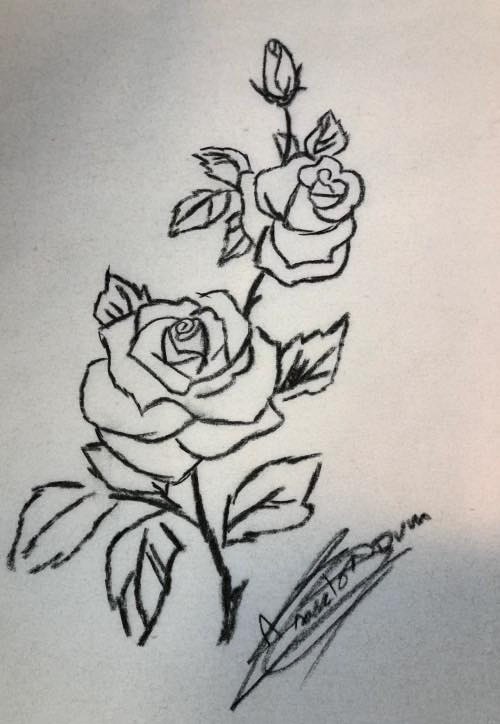
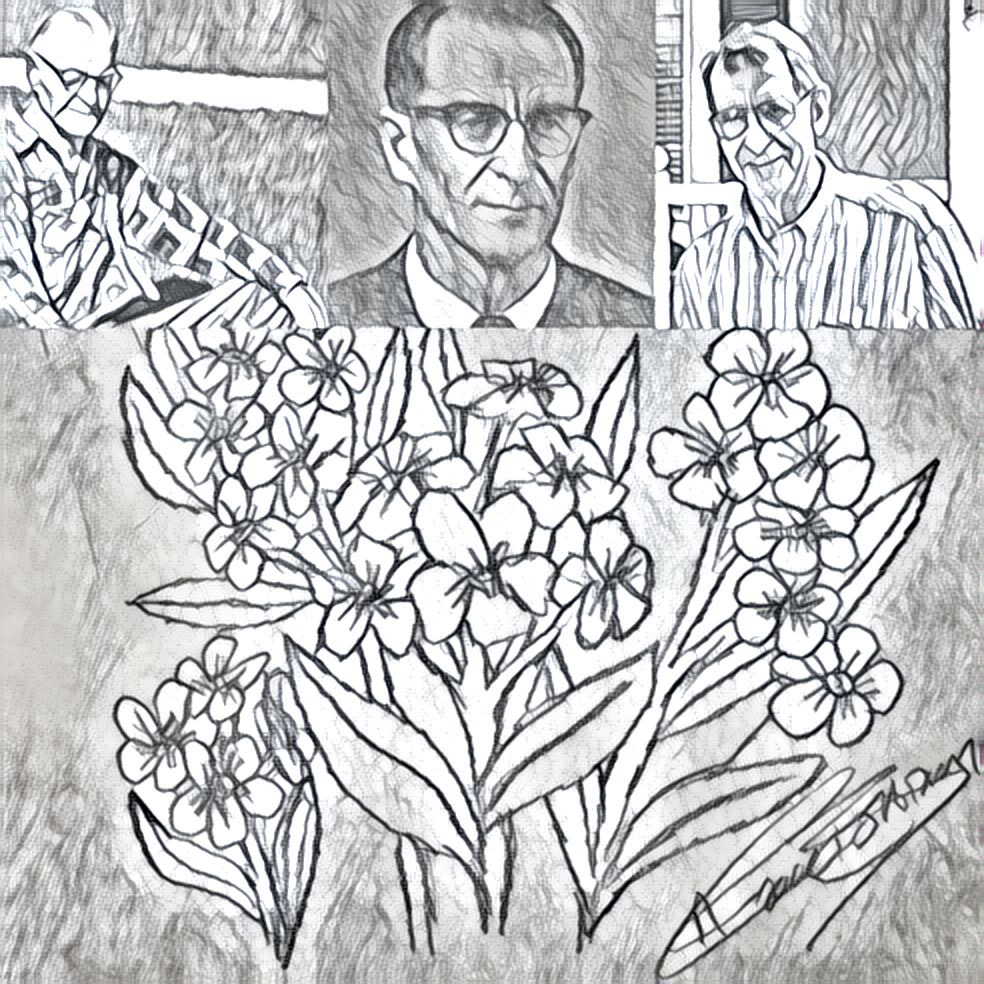
High in the beautiful mountains of Alaska grows a tiny, unassuming flower. It’s easy to miss, blending quietly into the surrounding vegetation. But if you pause—if you truly look—you’ll find a remarkable little masterpiece.

Its dark green stems and leaves are like any other plant. But its blossoms set it apart: delicate petals of sky-blue, capturing the brilliance of a cloudless summer day. Small though it is, this flower lingers in the memory. Fittingly, it’s called the “Forget Me Not.”

A few years ago, I visited a sprawling cemetery. I wandered quietly through the endless rows of marble headstones, many dating back to the 18th and 19th centuries. Moss clung to their bases, and time had softened the names and dates carved into the stone until many were barely legible.

I stood among thousands of graves. And I wondered: Who were these people? What lives did they lead? What stories did they leave behind? A few are still remembered. Most, I realized, are not.

As I read those fading inscriptions, I found myself asking: Is this what will become of me? When I, too, go the way of all living things, will I be remembered? Will I leave a legacy worth remembering?

My thoughts turned to the small cemetery in Castle Dale, Utah—the little town where I was raised. It’s a place that’s easy to overlook. But for me, it holds deep meaning. The cemetery sits on the north end of Center Street. One summer, when I was in high school, I worked there as a caretaker. Week after week, I mowed the lawn and trimmed the grass around each headstone with quiet reverence.

Many of my own ancestors are buried there. My great-great-grandmother. My great-grandparents. My grandparents. A beloved uncle. Even an infant cousin. They all rest in that sacred ground.

My great-grandfather died long before I was born. But I have a photograph of him—smiling faintly as he sits on the grass in a pair of worn bib overalls. Though aged and weary, his character shines through that old photo. It brings to mind something Thomas Edison once said: “I have friends in overalls whose friendship I would not swap for the favor of all the kings of the world.”

My grandfather passed when I was just three years old. What I know of him comes mostly from the stories others have told me. He served as the county clerk for more than two decades. Like his father before him, he was a dryland farmer who worked tirelessly to provide for his six children. The land they worked—season after season, year after year—still belongs to our family today.

My uncle Jerry passed away in 2016. I owe him my life. When I was five years old, I stood in the doorway of his kitchen, holding one of his favorite pink wintergreen candies. I popped one into my mouth, and it lodged in my throat. I couldn’t breathe. Without hesitation, Jerry calmly walked over, gave me a firm push on the stomach, and sent the candy flying across the room. To know Jerry Bott was to know one of the finest people I have ever met. He was the embodiment of loyalty, charity, and love.

Their graves lie side by side on the south end of the cemetery’s middle section. Each of them lived lives of quiet courage and unwavering kindness. They treated others with respect, offered helping hands, spoke honest words, and smiled freely. Through long years and hard miles, they gave their best. And when life’s storms came, they stood and faced them with grace and strength.

As long as my heart beats, they will not be forgotten.

They continue to inspire me. Their legacy calls me to be a better father, a better friend, and a better man.

Like the tiny Forget Me Not—humble and easily overlooked—each of us, no matter how small or unnoticed we may seem, has an important role to play in the great tapestry of life and in the legacy we leave behind.

And that is my take.

N. Isaac Bott, DVM
The Attribute of Adaptability

My Take Tuesday: The Attribute of Adaptability

In 1971, the Rocky Mountain elk (Cervus canadensis nelsoni) was rightfully named the official state animal of Utah. Known also as wapiti—a word gifted to us by the Shawnee and Cree, meaning “white rump”—this noble creature stands as one of the great icons of the American West. A member of the deer family, the elk holds kinship with the mule deer and the moose that roam our wild places. Yet among these, the elk is perhaps the most gregarious, gathering in herds that can number over 500, moving as one across vast and varied landscapes.

The elk is a sight that stirs the soul in any season. Towering and regal, these animals are more than just symbols of strength—they are living embodiments of adaptability and grace. Few creatures move so effortlessly between worlds. Whether wandering the dense forests, crossing windswept plains, ascending rugged mountains, or traversing sunbaked deserts, the elk adapts and endures. Their diet is as varied as the lands they inhabit: grazing on grasses throughout the year, browsing woody plants in winter’s grip, and feeding on tender forbs in the warmth of summer. It is this adaptability that has secured their place in the wild for countless generations.

Here in Utah, they range from the lofty heights above Skyline Drive, at elevations surpassing 11,000 feet, to the red rock canyons and open desert expanses of the San Rafael Swell. They are as at ease beneath the towering quaking aspens and Douglas firs as they are among the twisted junipers and fragrant sagebrush of our state’s arid lands.

As a boy growing up near the Manti-La Sal National Forest, I was blessed with frequent glimpses of these majestic creatures. I remember autumn nights spent camping beneath a canopy of stars, the air crisp and still. In that sacred silence, there would often rise a sound unlike any other—the haunting bugle of a bull elk. It begins as a deep, resonant call, rising swiftly into a high, ethereal whistle before cascading into a series of low grunts. It echoes through pine-clad ridges, sweeps across broad valleys, and rolls down winding canyons. Even the most seasoned woodsman feels his heart quicken at that sound. It is nature’s anthem—raw, wild, and beautiful. To hear it is to feel something ancient awaken within you.

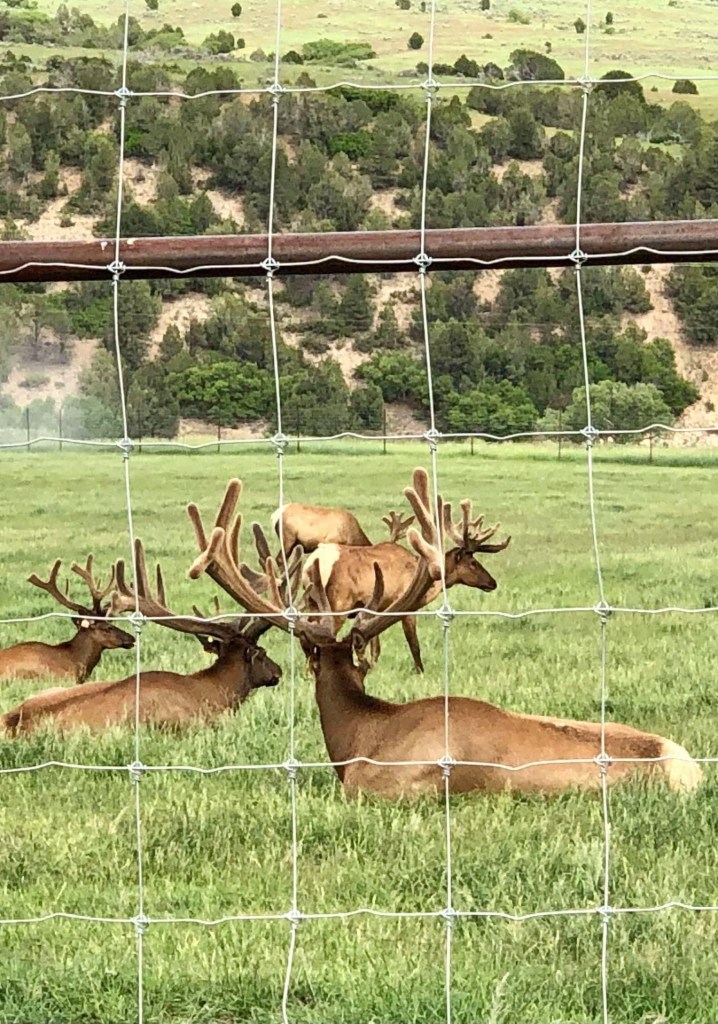
As a veterinarian, I now have the distinct honor of working with several herds of elk. Each encounter deepens my reverence for these animals. They are more than their strength and size; they embody resilience, freedom, and the unbreakable will to endure. Pictured here is a herd near Birdseye, Utah—a breathtaking reminder of the wild heritage we are privileged to witness and protect.

The elk is a symbol of power and perseverance, but also of freedom in its purest form. From them, we learn the wisdom of adaptability. Were we to embrace even a measure of their ability to adjust and thrive, we too would be unshaken by life’s changes. We would be courageous, steadfast, and bold—undaunted by the unknown.

When I am faced with life’s uncertainties, I often think of the majestic Rocky Mountain elk—standing tall against the piercing wind, unyielding, and at home in any land.

And that is my take.

N. Isaac Bott, DVM
Chris LeDoux

Chris LeDoux 

Wednesday, March 9, 2005, began like any other day. At that time in my life, I was nearing the end of my studies and preparing to graduate from Southern Utah University. My classes finished around noon, leaving me with an open afternoon. With a bit of time on my hands, I decided to go shopping for a new chest of drawers.

I climbed into my Chevy S-10 and headed south on Main Street in Cedar City, Utah. The remnants of a recent snowstorm still lingered—mounds of snow piled along the sidewalks, slowly surrendering to the early spring sun. As was my habit, I tuned the radio to KONY Country as I drove. A Chris LeDoux song came on, and without thinking, I reached over and turned up the volume. As the song faded out, another Chris LeDoux track began to play. That was unusual. Hearing one of his songs on the radio was a rare treat; hearing two back-to-back was almost unheard of. In that moment, I felt a sinking in my chest. Something wasn’t right.

When the second song ended, the DJ came on and confirmed what I had already begun to fear. Earlier that day, Chris LeDoux had lost his battle with a rare form of cancer—cholangiocarcinoma.

Chris LeDoux was, in every sense, a man’s man. Whatever he did, he did with humility, grit, and unwavering dedication. He wasn’t born with extraordinary gifts, but through sheer hard work and determination, he made himself extraordinary. He was an acclaimed sculptor, a world champion bareback rider, and a legendary country music artist whose songs spoke directly to people like me—people who knew something about hard work, dusty fields, and wide-open spaces.

His music was a constant companion throughout my youth. I spent countless hours working on the farm with his songs in my ears—songs that spoke of digging and tamping postholes, stretching wire tight, and irrigating alfalfa fields. His lyrics captured the rhythms of a life I knew intimately. And even now, as I’ve traveled farther and wider than I ever imagined, I hear his voice in the places I visit—from Spokane to Manhattan, Salt Lake to Seattle, north to Billings and the Yukon River, and south to Fort Worth and San Antonio. His songs continue to connect me to places and memories that shaped who I am.

I had the privilege of seeing Chris perform live dozens of times. He was always gracious, always genuine. He remains the finest performer I have ever seen. Twenty years have passed since his death, but his music and his example still ride with me.

On his final studio album, Chris recorded a song called The Ride. In it, he spoke of meeting death with courage, dignity, and grace:

Well, I know some day farther down the road

I’ll come to the edge of the great unknown

There’ll stand a black horse riderless

And I wonder if I’m ready for this

So, I’ll saddle him up and he’ll switch his tail

And I’ll tip my hat and bid farewell

And lift my song into the air

That I learned at that dusty fair

Sit tall in the saddle, hold your head up high

Keep your eyes fixed where the trail meets the sky

And live like you ain’t afraid to die

And don’t be scared, just enjoy your ride.

Thank you, Chris, for living an exemplary life, and for teaching this cowboy from Castle Dale, Utah, so much about hard work, humility, and grace—through your songs, your example, and the way you carried yourself.

Good ride, cowboy. Good ride.

N. Isaac Bott, DVM

Where the Daffodils Grow

My Take Tuesday: Where the Daffodils Grow

On August 22, 1877, Brigham Young issued his final call for settlers to establish themselves in Castle Valley. Just seven days later, the “Great Colonizer” passed away, making this his last directive. If you’ve ever visited Emery County, you might leave with the feeling that the best was, indeed, saved for last.

Castle Valley is a land of extremes—where the towering Wasatch Mountains rise mystically to the west and the San Rafael Desert stretches endlessly to the east, a landscape of stark, breathtaking desolation. Yet, even among the sagebrush and junipers, there is a quiet, unyielding beauty waiting to be seen by those who look closely.

My great-great-grandfather, Boye Petersen, answered Brigham Young’s call and became one of Castle Dale’s original settlers. He homesteaded the West Farm, a 48-acre piece of land that remains in our family to this day. A straight road connects Castle Dale to Orangeville, running past that land—a road fittingly named Bott Lane.

Growing up in Castle Dale shaped me in ways that continue to define me. It instilled in me a strong work ethic, a vivid imagination, and a rare sense of self-awareness. This place is my home—not just in memory but in spirit. Emery County has a way of healing me. It is my sanctuary, my constant, the quiet refuge where I can reflect and recharge. Though I now live two hours north in Utah County, my heart remains tethered to the well-worn paths of my youth and the Blue Clay Hills just south of Castle Dale. Trail Mountain lightning runs through my veins, and Castle Valley thunder echoes in my chest.

Winters in Castle Valley can be relentless. The snow lingers, the ice thickens, and farm chores become grueling. Milking cows and hauling hay become battles against the elements. Manure piles freeze as hard as stone, and the ground around the water troughs turns to treacherous sheets of ice. In those long, frigid months, the yearning for spring is almost instinctive.

It was during one of those bitter winters that I first noticed them—small green shoots pressing through the frozen ground along the shaded path by my uncle Jerry’s house. Each morning and afternoon, as I crossed the street toward the corral, I would pass that same spot, watching as those brave little leaves pushed upward, undeterred by the frost. The sight was a quiet promise: winter’s grip was loosening, and spring was on its way.

The daffodils came quickly after that, rising with a certainty that felt almost miraculous. Their golden trumpets stood tall, a fanfare of yellow against the lingering gray of winter. They swayed in the breeze as if tomorrow was assured.

And then, just as suddenly as they arrived, they were gone—vanishing until the next year.

The Latin name for daffodil is Narcissus, a nod to the Greek myth of a river god’s son. Fleeting as their bloom may be, they remain a gift for those who pause long enough to notice them—soaking up the sunlight, drinking in yesterday’s rain, standing tall despite their transience.

Daffodils remind me of my uncle Jerry. He passed away in 2016, but his kindness, along with that of his twin brother Jeffry, remains unmatched. He was a gentle giant, steady and quiet, much like those golden blooms.

As winter fades, the robins and sparrows will return, heralding the change of seasons. The rivers and streams will swell with mountain runoff, and nature’s palette will once again color Castle Valley.

And, in Castle Dale, Utah, where the daffodils grow, spring will follow at last.

And that is my take.

N. Isaac Bott, DVM
Sheep and Stoicism

My Take Tuesday: Sheep and Stoicism

Sheep can be stubborn. I learned this firsthand as a child while trying to herd our small flock of ewes to a nearby pasture. The distance was short—just about a hundred yards—but the task proved anything but simple. As soon as I turned them out, chaos erupted. The sheep scattered in every direction, ignoring my efforts entirely. When the dust settled, I found myself lying on my back, covered in sheep snot, staring up at the blue sky. Not a single sheep had made it to the intended pasture. Instead, they were all over town.

Shortly after this debacle, my great-uncle, Boyd Bott, shared a simple yet profound lesson: “You can’t herd sheep. You have to lead them.” It’s a lesson I have never forgotten.

With a pail of grain in hand, leading the sheep became effortless. Instead of resisting, they eagerly followed wherever I went. From that moment on, moving the flock was no longer a battle—it was easy.

Sheep have an instinct to follow. When one decides to move, the rest of the flock usually falls in line, even if the path is unwise. Humans are remarkably similar. It’s no coincidence that, throughout the Bible, people are often compared to sheep. We resist when pushed but follow when led.

There is no better teacher of patience than a small herd of sheep. They demand attention, protection, and care.

So the next time you feel frustration creeping in, consider leading instead of pushing—guiding instead of forcing. More often than not, it yields a far better outcome.

And that is my take.

N. Isaac Bott, DVM
(Photo: Dr. Bott holding a newborn lamb on his family farm, 1985.)

Reflection

My Take Tuesday: Reflection

The wind howled, a lonesome lullaby cutting through the silence as I turned up my coat collar. The rugged countryside stretched endlessly before me—towering stone cliffs, sagebrush, and scattered cedar trees standing against the vast emptiness. The trail I followed was built by the Civilian Conservation Corps (CCC) in the 1930s, winding in tight switchbacks toward the south end of Trail Mountain.

At the summit, I paused. Below me, Joe’s Valley Reservoir lay perfectly still, its glass-like surface reflecting the towering mountains above. It was as if the landscape itself was looking back at me.

This place is woven into my memories—hiking these trails as a child, fishing in the lake below, gathering for family reunions with loved ones who are no longer here. This is home. More than just a place, Emery County is where my soul finds rest. It is my constant, my refuge, a space to reflect and recharge.

Reflection, at its core, is the art of pausing—of stepping back to examine our thoughts, beliefs, and experiences. But true reflection goes deeper. It is not just recalling the past; it is a conscious effort to untangle its lessons, to gain clarity, and to grow. In the stillness, our minds sift through the noise, make sense of our journey, and shape the road ahead.

But reflection should not be mistaken for self-criticism. It is not about dwelling on mistakes or trapping ourselves in regret. Instead, it calls for honesty—firm yet forgiving. We must acknowledge where we’ve been without letting it define where we’re going. Self-forgiveness frees us from old patterns, allowing us to move forward with purpose.

Taking time to reflect will recharge you. It will sharpen your focus. It will deepen your gratitude and remind you of the meaning woven into everyday life.

Try it. You won’t regret it.

And if you need a place, I know just the spot—a quiet stretch along the CCC trail, high above the world’s most beautiful reservoir, just west of Castle Dale, Utah.

And that is My Take!

N. Isaac Bott, DVM

The Hardest Part of My Job

My Take Tuesday: The Hardest Part of My Job

Death and dying are subjects that many find difficult to confront. For some, they awaken the ache of past losses; for others, they serve as sobering reminders of our own mortality and that of those we hold dear.

As a veterinarian, despite my utmost efforts, I inevitably face the loss of patients. In these moments, I am privy to the diverse emotions of the families who cherished them. Some display their grief openly, while others reserve their sorrow for private moments. Each individual’s reaction is unique—there is no right or wrong way to grieve. I endeavor to honor and accept that everyone mourns in their own manner and time, offering support to my clients during these challenging periods.

Of all the challenges in my profession, facing death—particularly when euthanasia becomes the kindest option—is among the most difficult. I see the anguish in the eyes of families as they prepare to part with a cherished companion. The depth of love between them is often so palpable that I, too, am moved to tears.

Though I do not carry the weight of their years together—the whispered words, the knowing glances, the silent companionship—I do feel the echoes of their love. Over time, my profession has granted me a profound understanding of grief—both my own and that of the families whose pets I have had the privilege to care for.

Enduring this day after day, year after year, is no small burden. Many veterinarians wrestle with emotional exhaustion, moral distress, and a level of compassion fatigue that few outside the profession fully comprehend. The staggering reality is that veterinarians face a suicide rate 2 – 4 times higher than that of the general public.

Beyond the heartbreak of loss, we face moral dilemmas that human medicine rarely encounters. I have counseled clients forced to choose between a life-saving procedure for their pet and paying their mortgage. I have fought for patients who, despite the best care, still slip away. I have witnessed the horrors of animal cruelty and the weight of those moments lingers.

When these pressures collide with relentless hours and the demands of being on call, it is easy to understand how overwhelming the weight of this work can become.

Yet, I choose to focus on the kindness—the people who rescue, protect, and love. It is this that sustains me. I consider myself profoundly fortunate to work with clients who are compassionate, devoted, and selfless in their love for their animals. The trust they place in me is not something I take lightly, and each day, I strive to honor it.

The loss of a pet is never trivial, nor is it something one simply moves past. In many cases, the bond between a person and their pet surpasses even some human relationships. Society may not always acknowledge the depth of that grief, but I do.

While I may not have shared in every moment of your pet’s life, please know that I see your pain, I honor your love, and I grieve with you. Helping you navigate these difficult decisions is never easy, but it is a responsibility I hold close to my heart.

If you have endured such a loss, know that my heart aches for you.

Losing a beloved companion is one of life’s deepest sorrows—but love, I believe, transcends even death. The bond between human and animal endures, stretching beyond the rainbow bridge, between this life and the next.

And that is My Take.

N. Isaac Bott, DVM

Two Star Belle

My Take Tuesday: Two Star Belle

There is something truly magical about the excitement of a young child. They bounce, they pounce, they squeal, and they run with boundless energy. Their joy is contagious, spreading to anyone nearby, forcing even the most stoic among us to smile.

I remember a day when I was four years old, standing at the window, heart pounding with anticipation. Dad was on his way home from work, but tonight was different—tonight, he had promised a surprise for my brothers, Daniel and Caleb, and me. As his green Nova turned onto 100 East and slowly rolled into our driveway, we couldn’t contain ourselves. The front door burst open as we sprinted toward the car, shrieking with excitement.

Then, out jumped the cutest German Shorthaired Pointer puppy I had ever seen. She was a deep, rich brown, flecked with white throughout her coat. But her most striking feature was the two white, star-shaped markings perfectly placed on her forehead. Her name was Two Star Belle.

For the next 13 years, Belle wasn’t just a pet—she was family. She rode with us to the farm to feed the cows, raced alongside us as we sledded through the snow, and stood guard whenever danger lurked too close. She was our constant companion and fierce protector.

But Belle was more than just a loyal friend; she was an extraordinary bird dog. When she found a pheasant, she would freeze—motionless, poised, and patient. We often spent hours searching for her, only to find her locked in a perfect point, unwavering in her focus. She was incredible.

Then came the day I first experienced the heartbreak of losing a beloved four-legged family member. I still remember it vividly. We wrapped Belle’s body in a blanket and buried her beneath a cottonwood tree on our farm—the place she loved most. As we lowered her into the ground, I did what my heart demanded—I sat down and wept.

Losing a pet is not something you simply “get over.” Yet, in our society, there is often an unspoken expectation to grieve animals differently than we do humans. But the truth is, the bond between a person and their pet is often just as deep—sometimes even deeper—than the connections we share with other people.

Reflecting on Belle’s life reminds me of the sting of loss. It hurts. But from that pain emerges a greater capacity to love. Somehow, animals teach us character, loyalty, and devotion in ways we humans often fail to teach one another.

There is something undeniably miraculous about the human-animal bond. Dogs, in particular, possess an extraordinary ability to sense our emotions and respond with unwavering love and support. Their presence is healing. Studies have even confirmed what pet owners already know—owning a dog can lower stress, reduce the risk of heart disease, and even increase longevity. Elderly pet owners, for instance, visit their doctors 30% less frequently than those without pets.

One reason for this profound effect is that animals fulfill one of our most basic human needs—touch. Research shows that even hardened criminals experience long-term behavioral changes after working with animals, often forming their first-ever bonds of mutual affection. Simply petting, hugging, or interacting with a loving animal can bring immediate comfort and calm. Pets ease loneliness, encourage exercise, and, in turn, boost mental well-being.

Children, too, benefit immensely from having pets. Beyond companionship, animals provide opportunities for learning—teaching responsibility, perseverance, and even social skills. There is an unparalleled joy in training a pet, witnessing their progress, and celebrating small victories.

The world would be a better place if everyone, even for just a brief moment, could experience the pure and immense joy that animals bring.

I’m grateful I learned this lesson as a young child in Castle Dale, Utah. Belle will always hold a special place in my heart, and I will cherish her memory forever.

And that is my take.

N. Isaac Bott, DVM
The Belligerent Bovine

My Take Tuesday: The Belligerent Bovine

January in Utah is a striking season. The landscape is blanketed in white—snow-covered peaks, rooftops, and fields blending into a serene, colorless canvas. A profound stillness settles over the land, as if the world itself is at rest. But then, without warning, winter reclaims her dominion with biting blizzards, disrupting the peace and tightening her icy grip.

It was on one such frigid morning that I stepped out my front door into air so cold it burned my face. At twenty below zero, each breath stung my nostrils. Yet, amidst the harshness, Utah’s January nights hold a quiet beauty. Driving to emergency calls in the dead of night, with only the hum of the engine and the glow of headlights cutting through the darkness, I find rare moments of solitude. In those brief windows, I can pause, reflect, and cherish the stillness that my busy life seldom allows.

That night’s call was for a Hereford cow with a laceration. She had somehow tangled herself in a barbed wire fence, leaving a gaping wound that oozed fresh blood. As I approached the squeeze chute, the crimson drops fell onto the snow, creating vivid streaks that steamed faintly in the freezing air.

It was clear she needed sutures.

Few tasks test a veterinarian’s grit quite like suturing in subzero temperatures. It’s an exercise in patience, endurance, and sheer determination.

Opening my supply box, I found most of the drugs frozen solid. Thankfully, the lidocaine was still liquid. Drawing it into a large syringe, I injected the anesthetic around the wound’s edges. The old cow bellowed, her frustration and discomfort evident.

With numb, stiff fingers, I began placing sutures in a simple interrupted pattern. Between each stitch, I paused to flex my hands, hoping to restore some dexterity. Exhaling warm air onto them only worsened the chill. The cold was unrelenting, but I pressed on, determined to finish the job.

As I secured the final suture, the cow lunged forward, slamming her massive belly against the chute and pinning my hand. A sharp pain shot up my arm as I jerked my fingers free, wincing from the sudden jolt.

“Alright,” I said, stepping back, “turn her loose. We’re done.”

The moment the head gate opened, the Hereford burst out of the chute, bellowing and swinging her head in wild protest. She charged forward about twenty yards before stopping abruptly. Then, to my dismay, she turned and locked eyes on me.

Trouble.

Quickly grabbing my tools, I ran for the fence. Behind me, 1,800 pounds of furious bovine thundered in pursuit. Her bellows filled the frozen air, and I could feel the vibration of her hooves pounding the ground.

I didn’t dare look back as I scrambled over the lodgepole pine fence surrounding the corral. Just as I swung my leg over, she skidded to a stop on the other side, her head low and nostrils flaring. She stared at me, bewildered, as if questioning how I had escaped her wrath.

My heart hammered in my chest, adrenaline coursing through me as I caught my breath. That was one angry cow.

Once I was safely back in my truck, the throbbing in my squished hand returned with a vengeance. Still, I was grateful—grateful to leave the belligerent bovine far behind. As I drove away on the frozen highway, I couldn’t help but think back to my days at Washington State University’s veterinary school. In the large animal section of the teaching hospital, there was a magnetic sign that read:

“Fractious cow can make it to the gate in 2.5 seconds. Can you?”

It would’ve been the perfect sign for that squeeze chute on that Utah County farm.

And that’s my take.

N. Isaac Bott, DVM

The Adroit Veterinarian

My Take Tuesday: The Adroit Veterinarian

A few years ago, I had the privilege of visiting a small animal shelter in Cuautla, Mexico. In rural areas like this, unclaimed pets roam the streets, often fending for themselves in harsh conditions. Yet, this humble shelter stood as a beacon of hope, providing care, compassion, and sanctuary to countless animals in need.

The journey there remains etched in my memory. Our rickety micro-bus rattled along dusty, winding roads framed by vibrant green fields and trees, nature’s quiet testament to the beauty of this remote region. As we passed a modest panadería, the air was saturated with the warm, inviting aroma of freshly baked bread, churros, and pastries. This momentary sweetness was a stark contrast to the sobering reality we were traveling toward.

When we arrived, a large chain-link fence separated the shelter from the outside world. Within its borders stretched a serene refuge: rows of modest buildings and kennels nestled among meticulously groomed lawns. This was no ordinary shelter; it was a sanctuary, a place where lives—both human and animal—found renewal.

As I stepped out of the vehicle, my attention was drawn to a dog bounding across the grass with unrestrained joy. A custom-made wheelchair supported its paralyzed hind legs, allowing it to move freely, carefree and alive. Watching this remarkable creature revel in its newfound freedom filled me with a profound sense of gratitude. I knew I had arrived somewhere extraordinary.

On this particular day, my role was to assist in spaying ten dogs residing at the shelter. However, as I entered the surgery suite, my confidence wavered. The room was stark and dim, its dark brown cement walls reflecting none of the light streaming through a single north-facing window. Electricity, a convenience I had taken for granted, was absent.

Doubt surged. How can I perform surgery without proper lighting or modern tools? How can I even see what I’m doing? For a moment, I felt overwhelmed by the enormity of the challenge before me.

In modern veterinary medicine, technology provides the foundation for precision and safety. Electronic monitors track every vital sign—blood pressure, oxygen saturation, heart rate. Anesthetic gases such as Isoflurane and Sevoflurane ensure smooth recoveries. Adjustable surgical lights illuminate the tiniest details. Here, none of these luxuries existed.

As I prepared to begin, the hurdles multiplied. The only surgical gown available barely fit my 6’2” frame, and the size 6.5 latex gloves constricted my hands, exacerbating my worry about a severe latex allergy. The stainless-steel surgical table was fixed at a height that forced me to hunch awkwardly, while monitoring relied solely on the rhythmic sound of a stethoscope. Anesthesia consisted solely of injectable drugs.

I closed my eyes, inhaled deeply, and reassured myself: You can do this. Trust your training. Trust your judgment.

With a bead of sweat tracing its path down my forehead, I made the first incision. Anxiety gave way to focus as I leaned into my skills, relying on intuition and experience. One by one, each surgery was completed successfully. Despite the lack of modern conveniences, every patient recovered without complications.

This experience was a humbling reminder of how much I depend on the technological marvels of my daily practice at Mountain West Animal Hospital. Digital radiology, advanced monitoring systems, and precision surgical tools have become staples of modern veterinary care. Yet, that day in Cuautla taught me an invaluable lesson: the heart of veterinary medicine is not technology—it is adaptability, resourcefulness, and unwavering dedication to the animals we serve.

As I left the shelter that evening, a wave of relief and pride washed over me. This experience had challenged me, tested me, and ultimately transformed me. It became the defining moment in my career, teaching me that true excellence transcends circumstance. A skilled veterinarian can deliver exceptional care, whether in a cutting-edge facility or a dimly lit cement room without electricity.

The methods may differ, but the mission remains constant: to heal, to comfort, to serve.

I will forever be grateful for the lessons learned at that tranquil sanctuary in Cuautla, Mexico.

And that is my take.

N. Isaac Bott, DVM
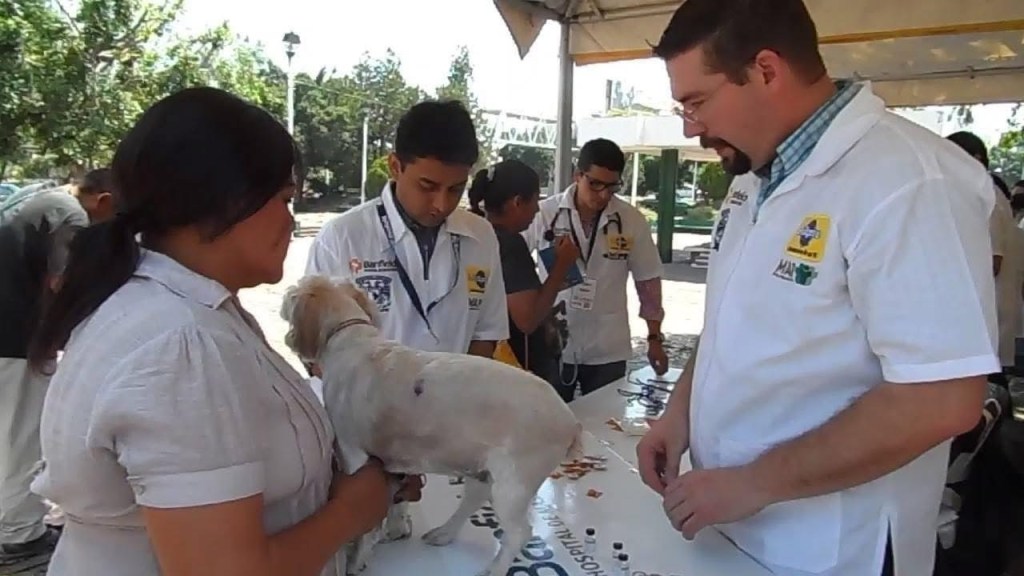
Here I am pictured before the first surgery. The ill-fitting gloves and gown tell the story of the challenges ahead, but behind the surgical mask lies a nervous smile and a heart filled with determination.