The Saga of the Saiga

My Take Tuesday: The Saga of the Saiga

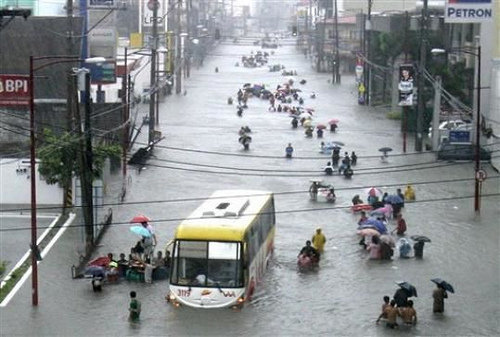
They look like something you would read about in a Dr Seuss book. From their long-exaggerated proboscis to their loud nasal roars; this species is truly unique. Their bulbous noses, which hang over their mouths, give these antelope an almost comical appearance. The nose is flexible and can be inflated, helping them to breathe warm air in the freezing winters and filter air in the arid summers as they sprint with their heads down in a cloud of dust. Two considerable populations exist today. Kazakhstan is home to the largest population and a second, smaller group resides in Mongolia. Over the past few decades, they have made a population comeback. But this all changed in 2015, placing them in grave danger.

There was almost something biblical about the scene of devastation that lay across the wide-open fields in the wilderness of the Kazakhstan steppe. Dotted across the grassy plain, as far as the eye could see, were the corpses of thousands upon thousands of saiga antelope. All appeared to have fallen where they were feeding.

The saiga in Kazakhstan – whose migrations form one of the great wildlife spectacles – were victims of a mass mortality event, a single, catastrophic incident that wipes out vast numbers of a species in a short period of time. These Mass Mortality Events are among the most extreme events of nature. They affect starfish, bats, coral reefs and sardines. They can push species to the brink of extinction or throw a spanner into the complex web of life in an ecosystem.

When this event occurred in 2015, over 200,000 (more than half the total population) died due to a mysterious illness. This mass die-off baffled both veterinarians and scientists as they scrambled to identify the cause. The culprit was identified as a bacteria called Pasteurella multocida. This bacteria normally lives harmlessly in the tonsils of some, if not all, of the antelope. It is thought that an unusual rise in temperature and an increase in humidity above 80% in the previous few days had stimulated the bacteria to pass into the bloodstream where it caused haemorrhagic septicaemia, or simply put – blood poisoning. 

In 2017, the saga population in Mongolia was devastated by a viral disease. Called peste des petits ruminants (PPR), this virus originated in sheep and goats and quickly spread through the Mongolian Saiga population. 

PPR, which is also known as sheep and goat plague, is highly contagious and can infect up to 90 percent of an animal herd once introduced. After just a few days affected animals become depressed, very weak, and severely dehydrated. This devastating illness swept through the saga population, leaving over two-thirds of the critically endangered animals dead. The remaining population in Mongolia has been vaccinated in an effort to prevent further outbreaks. 

Mass mortality events are not unusual for saiga antelope. However, the scale of the current events are unprecedented relative to the total population size. Warmer weather patterns, coupled with increased humidity, played a key role in causing the outbreak of hemorrhagic septicemia in Kazakhstan. Often these mass mortality events also occur in the birth period, when Saiga females come together in vast herds to all give birth within a peak period of less than one week.

Sometimes the answer to saving a species involves exportation, sequestration and assisted reproductive technologies to enhance genetic diversity. In my opinion, this is an important piece of the effort to save the saiga antelope.

In April 2021 a survey in Kazakhstan found that the Saiga population had risen from an estimated 334,000 to 842,000. The population increase was partially attributed to the government crackdown on poaching and the establishment of conservation areas. This is wonderful news! This species is a survivor. It’s been knocked down several times, and it keeps bouncing back.

The saiga antelope is truly unique. They existed at the same time as the sabretooth and wooly mammoth. They are a relic of the past.

I hope we can save this species. They are truly remarkable!

And that’s my take!

N. Isaac Bott, DVM

The Charismatic Chameleon

My Take Tuesday: The Charismatic Chameleon

It was a beautiful spring morning on the Palouse. The beautiful rolling hills and contrasting colors make this region of the country so unique. 

As I left my apartment, I took a moment to bask in bright sun of this gorgeous brisk spring morning, permeated with the scent of recent rain. Songbirds filled the air with music that would thrill the greatest maestros, and warblers and finches flashed their dazzling colors in the bushes outside my apartment.

I was an excited 4th year veterinary student just weeks from graduation. As I drove to the veterinary school, I reflected on the past 4 years. A flood of memories entered my mind as I smiled and felt a sense of accomplishment, these were some of the most difficult years of my life and the end was in sight. 

This particular weekend, it was my turn to take the emergency call at the veterinary teaching hospital. I had spoken extensively with classmates about what exactly to expect to present throughout the weekend. Each indicated that many dogs and cats would likely present with a variety of ailments. I fully expected to see a variety of routine cases dealing with the perfidious parasites, bothersome bacteria and mysterious maladies that present daily in the life of a veterinarian.

I was not prepared for what was to follow.

Throughout the weekend, a variety of cases presented, none of which were dogs or cats, and none of which I would ever consider routine.

The first case was a hairless rat. This was followed by a parakeet with a broken and bleeding blood feather. A raptor presented with a wing injury and a duck with a fishhook stuck in its bill.

Still another anomaly followed as a boa constrictor presented with a prolapsed cloaca.

At this point in my education, I had virtually no experience with exotic animals. I am terrified of snakes and absolutely did not know the first thing to do with a prolapsed cloaca. I barely knew what a cloaca was!

Fortunately, an exotic animal clinician was a phone call away and she was able to talk me through each case. I learned a lot as I treated each animal and did my best to make each owner and pet comfortable.
Just when I thought I had everything under control, a young woman walked through the front doors of the hospital caring a white box. Small circular 1” holes were cut in each side of the cardboard box.

“I have a chameleon that is sick,” she nervously said with obvious fear and concern in her voice.

I placed my face against the box and peered through one of the small holes. A huge eyeball was all that I could see. Its unflinching stare was somewhat startling.

“He is huge!”, I exclaimed.

“No, he isn’t,” she replied, with her voice raising, “He is actually smaller than most.”

“I am sorry,” I replied, “I haven’t ever seen a real chameleon.”

“Oh great, go figure, not only do I have to deal with a student, but I lucked out and got one that clearly doesn’t know what he is doing!” She was clearly upset at this point, as she sighed and shook her head.
Assertiveness has its place, but it is not always a virtue when you are on the receiving end.

“I am sorry,” I began, “Although I am inexperienced, I will call someone that is very competent with chameleons and we will take care of him. I promise I will do my best.”

She seemed to calm down somewhat after this and handed me the white box. I carried the box into the treatment area and immediately opened the lid and peered in. The chameleon stood perched on a branch, clinging with each of its 4 feet. It’s deep green color mimicked the leaves that were placed throughout the box.

I gently removed the little guy and placed him in the glass aquarium type pen used to hospitalize reptilian patients.

Almost immediately, his deep greed color began to fade as he miraculously turned brown, almost identical to the ambience of his new surroundings.

I reached for the phone and dialed the number of the on-call exotic expert. I immediately rattled off the details of the case (age, sex, presenting complaint, clinical signs and examination findings). I then explained that I had ZERO experience with this species and that I needed detailed instructions.
Her first question took me off guard.

“Is he pale?” she inquired.

Immediately, I thought to myself, “You’ve got to be kidding me!”

“I am not sure,” I replied. “He was green in his box and then he turned brown when I moved him into the hospital. Now he is looking like a mix of brown and gray.”

“How in the world can you tell if a chameleon is pale?” I inquired.

Fortunately, this clinician sensed the frustration in my voice and laughed. She was very patient as she began to explain exactly what I needed to look for.

She talked me through how to administer fluids to a reptile. This is accomplished differently that with other species. Instead of finding a vein and administering the fluids intravenously, they are administered in the common body cavity called the coelomic cavity. I spent the entire night treating this unique patient and monitoring its progress.

Somehow, the chameleon survived. I learned a great deal throughout the remainder of the weekend. Not a single dog or cat ever presented, but I gained confidence and experience with each of the exotic animals that continued to present.

But still to this day, I have no idea how to tell if a chameleon is pale.

And that is my take!
N. Isaac Bott, DVM


Skunked!

My Take Tuesday: Skunked

A few months back, a Boy Scout troop stopped by the clinic at the end of the day for a tour. As I showed them around and answered their questions, I couldn’t help but reminisce about my time as a boy scout.

The year was 1995.

Boy scout troop 306 of the Castle Dale 1st Ward embarked on a week long 50 mile hike during the month of July. The hike began on a Monday at Ferron reservoir and ended on Saturday at Indian Creek Campground in the beautiful Manti-La Sal National Forest.

As a 14 year old kid, I was just like most of the other boys in my troop: wholly naive and completely unaware of my ignorance. My sense of adventure far outweighed sound logic and I was prone to encounter trouble because of my mischievous nature. My little brother Caleb and my best friend Zac were my partners in crime and were witnesses to myriads of situations that shaped our imaginative Boy Scout days working on merit badges, monthly camp outs and high adventure events that eventually led to each of us earning the rank of Eagle Scout. These experiences consequently helped make us into the men we are today.

On the second night of this long hike, we made camp at a place called Cove Lake. This beautiful lake is just a few miles from the scenic skyline drive and is nestled in a large grove of Douglas Fir and Ponderosa pines.

As Boy Scouts do, we set out to set up camp and explore the lake. We soon found out that we were not the only species inhabiting the camp on this particular night. We shared the campsite with one of the most widely distributed mammals in North America, Mephitis mephitis, or the common striped skunk. The fecund creatures were everywhere. As we floated around the lake on a makeshift raft, we could see dozens of them around the waters edge.

We clearly had a dilemma. Almost immediately, the skunks began ransacking our tents and food supply. These smelly striped critters were endlessly curious about the bipedal invasive species that had entered their territory.

Passive in nature, skunks will avoid contact with humans and domestic animals; however, when challenged they are amply prepared to protect themselves.

If a skunk feels threatened, it will give a warning which includes hissing, stomping of feet, and elevation of the tail. Failure to heed the warning signs will result in the unlucky aggressor being sprayed with the skunk’s anal gland secretions. Skunks are highly accurate in their aim and can spray 7 to 15 feet away!

A dozen rambunctious boys were immediately perceived as a threat by the striped beast. They seemed to coordinate the invasion of the camp, approaching from all directions.

A scout watching the skunk rodeo spoke to me, “Hey Isaac, if you hold a skunk by its tail it can’t spray you.”

The notion had some truthiness to it, after all, if it can’t plant its feet it likely wouldn’t be able to empty its scent glands.

Without any further thought, I reached out and grabbed the nearest skunk by the tail. I lifted it directly in the air and held it suspended with my arms straight out.

The little guy simply twirled slightly and lined his backside to my face and fiercely sprayed with all that he had.

It went directly in my mouth and up my nose. It covered my entire face and some even got in my eyes.

I immediately began vomiting uncontrollably. By eyes burned and my vision became blurry.

What a lesson! Take my word for it, a skunk can certainly spray when it’s feet aren’t off the ground. This equivocated logic is dangerous.

As Mark Twain once observed, “It ain’t what you don’t know that gets you into trouble. It’s what you know for sure that just ain’t so.”

The odeur fetide that I experienced is actually a thick, volatile, oily liquid that obtains its pungency from sulfur-based thiols. There in nothing that smells worse than skunk spray inside your nose!

It took weeks before I stopped smelling skunk.

Frantically, I raided the food tent in search of cans of tomato juice. I found 8 cans and a can opener. I then took a tomato shower. I scrubbed my head in it, my whole body was covered in tomatoes. You haven’t lived until you take a shower in tomato sauce.

The rest of the week proved to be much less adventurous. I was forced to sleep in my own tent and I walked behind everyone else along the trails.

Now when I see a skunk, I give it plenty of space. And I tell everyone that I can that contrary to popular myth, a skunk can spray even when being held off the ground by its tail!

And that is my take!

N. Isaac Bott, DVM
Mold-A-Rama, the Magical Manufacturing Marvel

My Take Tuesday: Mold-A-Rama, the Magical Manufacturing Marvel

I had the privilege of being raised on a small farm in Castle Dale, Utah. Living in a small town had its perks for sure, for one, I rarely had to tell my parents when I got in trouble at school; as fast as word spreads in a small town, someone had almost always beaten me to it and mom and dad knew all of the details before I could even get home.

I loved growing up in a small town. I treasure the many wonderful people who helped shape my education and point me on the path I am on today.

My parents would set aside a few days each year where we could get away from the daily farm chores and spend time together as a family. I always looked forward to the time when we were able to leave Emery County and travel to the big city.

Vacations while growing up were typically short, lasting only a couple of days. I have many fond memories of visits to all of the national parks in the state and overnight trips to Salt Lake City. The overnight trips to Salt Lake were often planned around business meetings for my dad. We would typically come up early Friday morning and return home late Saturday.

We would usually stay at the Red Lion hotel in downtown Salt Lake. This hotel is still there, but it is now a Hilton hotel. I still remember the hotel layout. The swimming pool was located on the second floor. We must have stayed there a dozen times growing up.

Breakfast was always west of the temple at a Denny’s restaurant. It was a short 5 block walk from the hotel. I remember enjoying these meals immensely, despite the food being typical greasy breakfast items.

Following breakfast on Saturday morning, we would make a trip to the zoo. As children, we loved visiting the Hogle Zoo. I particularly looked forward to the Mold-A-Rama machines. These peculiar machines would make wax animal figurines on demand. The process melted polyethylene pellets at about 225 degrees and then injected the resulting liquid into a two-piece mold. Before the plastic could completely cool, a blast of high-pressure air would push any remaining liquid out a drainage hole in the bottom of the mold, leaving the sculpture hollow. Next, antifreeze was pumped inside and then drained to cool and harden the waxy plastic shell. The mold separated and the finished figure was ready. The whole process took less than a minute to complete.

For a five-year-old kid, they were a magical manufacturing marvel. These figurines were of many different animals and colors. I remember getting a gorilla, a giraffe, a lion, and many others. I still remember the smell of the freshly molded wax. The animals were quite hot when the came out of the machine, necessitating a fair amount of cooling off by rapidly blowing on them from all sides.

These were treasures to us. They would eventually crumble and fall apart, but they were placed on shelves in our rooms until that happened. There was something mystical and mysterious about owning a 4-inch mold of wax shaped like a gorilla.

Much of my love for animals was sparked by these trips to the zoo. In particular it instigated the comparative curiosity that has made my career so unique. I remember comparing different breeds of monkeys and apes, using the appearance of their hands, in particular their thumbs. I also wondered what was inside the camel’s humps, a question that took over 20 years to find the true answer, which came firsthand from the world’s foremost expert in this species. These trips led to my collecting zoo animal cards and reading about animal facts as a hobby.

It is impossible to look forward and connect the dots of the random chances in our lives, but looking back, I can see it clearly. It is interesting how these experiences all pointed to what I now do as a profession. I am glad I had the opportunity to go on these annual trips and for the wonderful memories that still remain.

And that is my take.

N. Isaac Bott, DVM

The Society for Theriogenology

My Take Tuesday: The Society for Theriogenology

Tomorrow I am traveling to Bellevue, Washington to attend the annual conference of the Society for Theriogenology. It is so nice to be able to attend in-person veterinary conferences. The past couple of years have made all of us miss out on so much that can only be experienced through in-person human interaction.

This conference is an annual event that I have attended since 2007. Each year the meeting is held in a different city around the country. I eagerly await this conference each summer.

What is Theriogenology? Theriogenology is the branch of veterinary medicine concerned with reproduction, including the physiology and pathology of male and female reproductive systems of animals and the clinical practice of veterinary obstetrics, gynecology, and andrology. It is analogous to the OBGYN, Neonatologist and Andrologist of human medicine – all combined in a single broad specialization. From antelope to zebras, Theriogenologists work on all species of animals. It is a challenging, unique and rewarding discipline.

I became interested in theriogenology as an undergraduate at Southern Utah University. A professor and mentor named Dan Dail introduced me to this most unique area of veterinary medicine. I learned a lot from him. He entrusted me with a research project looking at the correlation of body condition scores and first service conception rates in heat synchronized beef cattle. His mentorship, along with this research contributed to my acceptance into veterinary school.

At Washington State University, I had the privilege of working extensively with Ahmed Tibary, a world renowned theriogenologist. He has made endless contributions in teaching, published books, chapters and scientific articles. His comparative approach taught me how to think and reason through difficult cases. He also entrusted me with the animals under his care. We published a significant amount of information on reproduction in alpacas. I remember with fondness my time working with him.

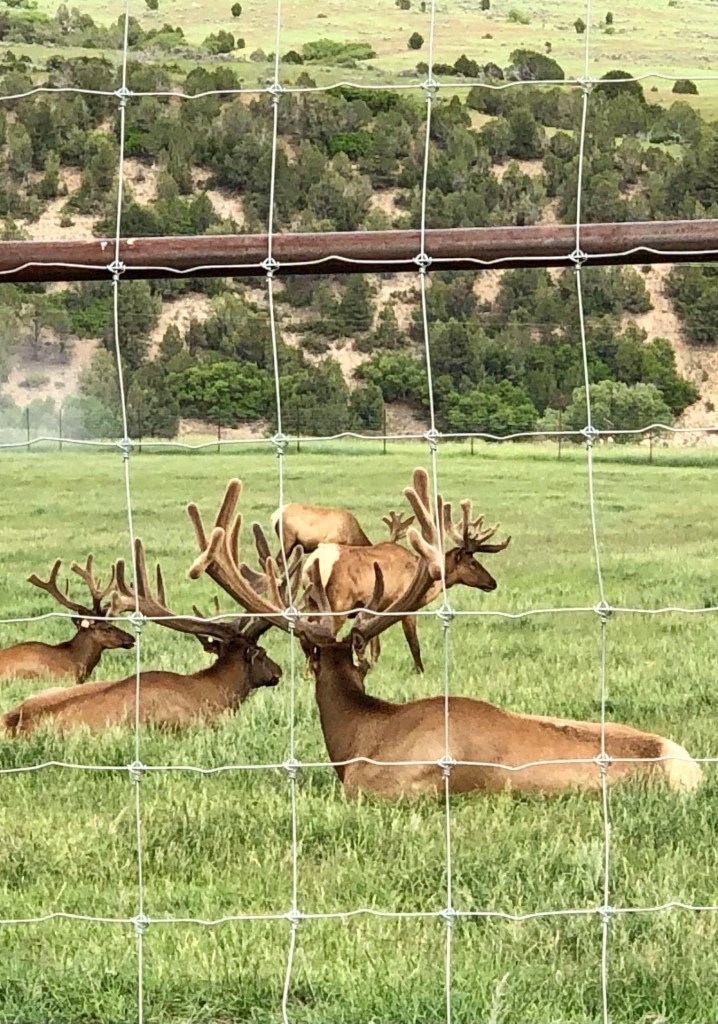
My theriogenology work has made me a better veterinarian. My clinical approach has been shaped and molded by the examples of so many mentors and teachers. What drives me is the comparative medicine; that’s what makes my brain move. Whether I am in the clinic working on dogs or cats, or out working with bighorn sheep, elk, alpacas or water buffalo, I am doing what I love.

Upon a cabinet in the lobby of Mountain West Animal Hospital, a small statue sits. The statue depicts a bull named Nandi. Nandi is the white bull which symbolizes purity and justice in Hindu art and serves as the symbol of fertility in India. It is a Bos indicus bull anointed with gold and silver jewelry and its association in Hindu art and scriptures can be traced to the Indus Valley Civilization where dairy farming was the most important occupation. There are a numerous temples in India dedicated solely to Nandi.

This statue was awarded to me after serving as president of the Society for Theriogenology in 2018. It is one of my most prized possessions. I am humbled by the opportunities that have came my way over the years as I have interacted with this unique group of veterinarians.

Kindness is a commonality among veterinarians who are reproductive specialists. They are approachable and humble. In a profession where arrogance often is the norm, they are a refreshing example of the best of the best. They are among the leadership at nearly every veterinary school in North America. They are leaving a lasting impression on the profession.

I am so proud to be a member of this group.

This is by far my favorite conference to attend. I look forward to learning from the best in the world this week and I can’t wait to apply what I learn at my own veterinary practice.

And that is my take.

N. Isaac Bott, DVM

Sheep on the Loose

My Take Tuesday: Sheep on the Loose

The morning was colder than expected.

I zipped up my jacket as I climbed out of my truck ready to begin a day of veterinary appointments. The clouds scuttled across the sky, the sun breaking out in bursts as I made my way through the make-shift corrals that are a common sight in Utah County. A solo tree, standing along the property line caught my eye as I crossed the fence. I marveled at the beauty of the crisp copper leaves falling off the lone tree that sway gently in the Autumn wind. A single golden leaf pirouetted down an invisible spiral of breeze, spinning through the air as it let itself be carried down. It shook slightly, as if it could have been whisked away any second by the grip of an icy wind, but it kept floating down the twirling course. It blew past my face and landed lightly on the ground, the shiny, vibrant color standing out against the ambers and bronzes beneath it.

Sheep are short-day breeders. The breeding season coincides with the decreasing day length each fall brings. Today’s appointment is a routine breeding soundness evaluation of a group of Rambouillet rams.

The Rambouillet breed of sheep originated more than two centuries ago, in 1786, when Louis XVI of France purchased over 300 animals from Spain’s famed Merino flocks, which were produced the world’s finest wool. The males of this breed have characteristic large, curved horns that are well developed with wide spirals. They weigh around 300 pounds at maturity.

A large horse trailer was backed up against the gate of the pen, with about two feet of space between the edge of the fence and the trailer. I could hear the deep bleating and baaing of a dozen rams echoing from inside the aluminum trailer.

I stood in the small gap between the fence and the trailer in an effort to stop any rams from escaping the enclosure. As the gate was opened, the first ram paused and then ran quickly from the trailer, giving a bounding leap as he landed on the ground. The remainder of the rams followed in perfect succession, pausing and bounding in unison.

The last ram exited the trailer and hesitated as it approached the rest of the herd. He turned his massive frame slightly as he looked in my direction. Suddenly, without warning, he lowered his stout head and neck and charged. I braced myself for the impact. Anticipating a blow to the legs, I lowered my body into a football stance. This massive ram, in a fit of ovine rage, leaped over my head and landed harmlessly on the gravel patch surrounding the pen.

He then let out a low “Baaaaaaaa”, as if to beckon the remaining rams to follow his lead. This flock mentality is a sure thing, meaning that if one sheep finds an escape route then the entire flock will follow. The remainder of the herd stampeded towards me in a frenzy. The lead ram lowering his head in apparent contestation head bunting stance. I knew that an attempt to stop a charging ram of this bold carriage would be futile. I stepped aside and yielded as the rams charged through the small alley on their way to apparent freedom.

I grew up around sheep. My family had a small flock that provided me with valuable insight into sheep behavior and husbandry. One of the valuable lessons I learned is to always have a perimeter fence as a backup when working with sheep.

Sheep are a prey species, and their only defense is to flee. The flock of rams fled in unison down the gravel path. They all stopped abruptly as they arrived at the closed perimeter gate. Accepting defeat, they turned and charged back through the alley and into their original pen.

The remainder of the morning was uneventful. Each examination revealed a healthy ram, and the group was cleared for the upcoming breeding season.

As I walked back to my truck, I stepped through the golden-brown carpet of leaves, as they crunched under foot and quivered in gusts of the autumn wind.

The deep sound of the rams bleating in concert echoed from the horse trailer. The cool breeze scattered the leaves in all directions and sent a chill down my spine. I took a deep breath and was warmed instantly by the smell of a nearby wood burning stove.

I sighed, relishing the feeling of fall. It was something I’d have to wait a whole year to experience again.

And that is my take!

N. Isaac Bott, DVM
Human Blood

My Take Tuesday: Human Blood

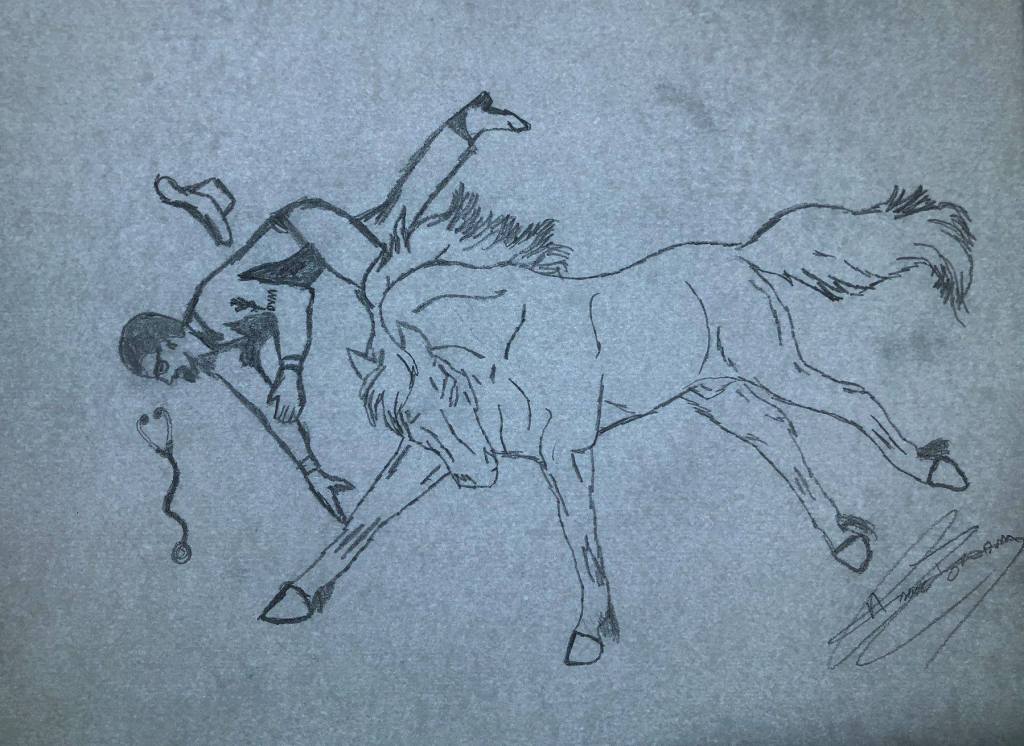
Times of severe stress, injury or fear can trigger the reflex: your blood pressure drops, your heart rate slows. This reaction is primeval stuff, buried deep within our brains. Medically, it goes by the name “vasovagal syncope.” Common folk like me simply call it fainting.

Being a veterinarian is not for the faint of heart. On any given day, I will treat a myriad of infirmities. The sight of blood, pus, maggots and trauma are part of a normal day at the clinic. I, fortunately, am not affected by this. I am able to reason and think clearly in situations like this and am able to immediately go about trying to fix the problem. I’ve seen some nasty stuff, but not once have I ever felt lightheaded with animal blood.

Human blood is a different story. Ironically, I cannot deal with human blood. The sight of it makes me queasy. I have fainted a couple of times at the sight of my own blood. I find it strange that I am fine with animal blood but so unstable when it comes to people.

As luck would have it, on a number of occasions, clients have experienced medical emergencies as I worked on their pets. During one of these situations, I overheard a radio exchange between emergency responders and dispatch.

“He is with a veterinarian,” the dispatcher said.

“Oh good,” the emergency responder replied.

Upon hearing this, I exclaimed, “No, it’s not good! I don’t do human blood! You had better hurry up and get here!”

Keeping it together in such situations is difficult for me. Luckily, no one has died in these situations. However, I did experience a very close call a few years back.

Sheldon was a nice man. His gentle smile and blue eyes were reflective of his kind nature. He raised beautiful Charolais cattle. The pure white bulls he hauled into the clinic on this particular day were no exception. The massive 2000+ pound animals were there to be semen tested before the breeding season.

Sheldon walked with his cane along the side of the alley that led to the squeeze chute. He gently nudged the first bull as I closed the hydronic chute. He opened the side gate and stood directly behind the bull.

I asked about his farm and about the drive down to the clinic. He seemed happy and excited about the coming spring.

As I proceeded to work on the bull, I turned my back to reach for some supplies.

I then asked, “Sheldon, can you help me hold this?”

There was no reply.

“Sheldon,” I continued.

Still no response. I peered into the chute where he was standing just moments before and he was nowhere to be found. As I stood up and entered the side gate, I found Sheldon lying in the alley. His head was lying just inches from the back feet of a bull. Any sudden movements and the bull could easily crush his skull. 

My blood pressure skyrocketed!

Instinctively, I picked him up and carried him out the side gate. He was non-responsive. I grabbed my stethoscope and listened to his heart. The rate and rhythm were irregular. He was clearly having a heart attack. I shouted for an assistant in the clinic. I asked her to dial 911 and get an ambulance there as soon as possible. I elevated his head and began the first aid I had been taught many times.

I sat with Sheldon until the ambulance arrived. His vitals continued to be irregular, but he continued to breath. As the EMTs arrived, they loaded him in the ambulance. As they pulled out of the clinic, despite having the light on and the sirens blaring, a car nearly side swiped the ambulance.

I stood there in awe. My body trembled as the stress finally caught up. I paced around the parking lot for nearly a half an hour until my nerves were under control and I was able to return to work.

Somehow Sheldon survived the ordeal. I visited him that night in the Payson hospital. He was his normal self as we joked about how bad he had scared me.

He thanked me for helping him.

“It is a good thing you knew what to do,” he continued, “I am lucky you were there.”

If he only knew how uncomfortable I am in situations like this. It took several days for me to be able to return to normal life. The thought of seeing him lying unconscious in the alley with such large animals on either side of him still haunts me to this day.

Fortunately, no other heart attacks have occurred on my watch since that day.

I can quickly fix even the most gruesome lacerations on an animal without a second thought, but when it comes to people, Doc Bott is not the person you want at your side.

And that is my take!

N. Isaac Bott, DVM
The Red Hankercheif

My Take Tuesday: The Red Handkerchief

As a veterinarian, I all too often find myself in precarious situations.

Upon graduating from veterinary school in 2009, I moved back home here to Utah. My first job out of school was right here in Utah County.

It was not unusual for me to be called to attend a dozen or more lame and injured cows on a particular day. You might arrive to find them in a paddock with no sorting pen and therefore no means of restraining them for treatment. What are you going to do? Unfortunately, farmers often have the attitude that you’re the vet, they’ve called you out to do the job, so they expect you just to get to it. Often these cattle facilities left much to be desired. A few broken palates, some bent powder river panels and a welded together squeeze chute constitute pretty decent working conditions.

Usually, some unsatisfactory compromise could be sorted out which would reinforce the fact that you were not half as good as their old vets.

Max was no exception. He stood 6’1″ and was as skinny as a bean pole. He always had a runny, drizzly nose, and he kept a red handkerchief in the front pocket of his bib overalls. Max didn’t want a new young vet working on his cows. He was used to the old school way and had no reason to change.

I was greeted on one of these farm visits by this familiar refrain: “We used to use old Doc SoandSo. Have you heard of him? Best dairy vet in the county. Of course, you’re new and not used to dealing with dairy cows down here are you?”

Perhaps I am unduly sensitive but being told you’re second best before you’ve even begun is either irritating or depressing—depending on how your day has been. This day tipped more toward the irritating side.

Suzy was the name of his milk cow. She was a tall Holstein crossbreed cow. On this particular day, Miss Suzy stood in the knee-deep pasture staring at us as we entered the field. She was swollen up like an engorged wood tick. On her left side, her stomach was protruding so far that she was as wide as she was long. The diagnosis, even from afar was obvious. 

She was bloated.

Bloat is a digestive disorder characterized by an accumulation of gas in the first two compartments of a ruminant’s stomach (the rumen and reticulum). Production of gas (primarily carbon dioxide and methane) is a normal result of fermentation processes. The gas is usually discharged by belching (eructation) but, if the animal is unable to remove the excess gas, pressure builds up in the rumen-reticulum exerting pressure on the diaphragm which prevents the animal from inhaling, and bloat occurs. The most common type of bloat is frothy bloat where gas builds up in a foam or froth above the rumen contents and the normal belching is inhibited.

Imagine a 40-gallon tub of partially digested green stomach contents. The pressure of this stomach is such that when it is alleviated, it is similar to popping a balloon, this disgusting smelly concoction will spew in a fashion similar to the Old Faithful Geyser.

Before we could even isolate her in the corner to begin treatment, Max decided he needed to blow his nose. As he pulled out his bright red handkerchief, he flipped it with his wrist and positioned it to evacuate his proboscis. Suzy caught sight of this red temptation and came charging full speed – like a freight train – straight for us. She was bellowing and blowing snot in a fit of rage.

In a situation like this, it doesn’t matter how quick you are. The only relevant assessment of speed is how fast you are in relation to the other person in the pasture. I figured I could beat Max to the gate but would feel guilty in so doing.

I braced myself for the impact. Max yelled, “Hey Now!”

Suzy collapsed just steps before she reached us. The massive pressure caused by the bloat had cut off her air supply. She lay in a heap in front of us.

The treatment for bloat in a case like this is to relieve the pressure as fast as possible. An incision in made through the left side of the abdomen and the rumen is decompressed. In a situation like this, you only have a few seconds to act. My surgical instruments were in my toolbox over by the gate. I knew there wasn’t time to retrieve them.

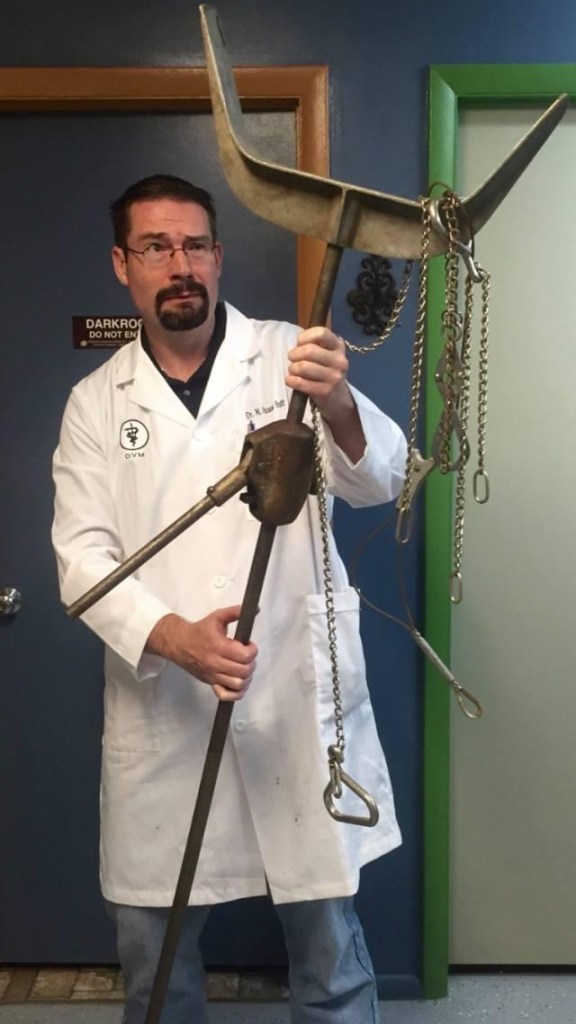
I reached in my pocket and pulled out my Old Timer pocketknife. I made a quick incision with the sharp point. 

Immediately, air began spewing out. It sounded like removing a valve stem from a car tire. It whistled as the massive stomach returned to normal size. Shortly thereafter, Miss Suzy was back on her feet and back to her normal self.

As I prepared to leave, Max commented, “Hey Doc, I guess you are alright after all.”

Max then pulled out the red handkerchief and blew his nose as he inquired, “How much do I owe you?”

And that is my take!
N. Isaac Bott, DVM
Discover

My Take Tuesday: Discover

As a child, I grew up in Castle Dale, Utah. My family had a small farm where we raised sheep, cattle and chickens. We had several pastures which we would rotate the sheep and feeder calves. It was always fun when we turned the animals into a new pasture. Their first response was to run and jump and frolic at their newfound freedom. I experimented and found this behavior to occur even when they were moved to a smaller pasture. This behavior consistently would occur with what seemed to be only one requirement – wide open space. This freed them from their paradigm. They respond the same way with grass, mud and even snow. Wide open space makes them run and jump and seemingly find energy and happiness.

I find myself, all too often, enclosed in a self-imposed corral whose fences limit progression and success. I built these barriers and dare not venture outside these boundaries, lest I be consumed by predators. I think many of us live out our existence in such a fashion. It feels safe. If we never risk anything, we seemingly will never lose anything. 

I submit that it is far more dangerous for us to remain inside these fences, never challenging ourselves, never truly reaching our full potentials. This meandering in mediocrity knows no true success. As Mark Twain stated, “20 years from now you will be more disappointed by the things you didn’t do than by the ones you did”. No growth occurs without challenge, and no challenge occurs without some level of uncertainty and presentation of incommodious circumstances. 

With that, I throw off the bowlines. I set sail away from the safe harbor with the intent of catching the trade winds in my sails. I stand on the edge of the bough, letting my toes hang over just a bit. It is time to explore, dream and discover……

And that is my take.

N. Isaac Bott, DVM

My Take Tuesday: Shonna Dean Peterson

Today’s My Take is a repeat from exactly a year ago. On this day, my sweet grandmother passed away unexpectedly. 

You always think that there will be more, that there will always be enough time, until there isn’t. 

This past weekend, late one night I wandered outside my back door. The sky over Springville this time of year is magical. One of my favorite things to do is look at the sky on a clear night. This particular night did not disappoint. I stood there staring at the empyrean skies of wonder and thought about my sweet grandma. I miss her. Profoundly.  

A popular Diamond Rio song cogently expresses my heart’s wish today:

“Last night I had a crazy dream

A wish was granted just for me

It could be for anything

I didn’t ask for money

Or a mansion in Malibu

I simply wished for one more day with you

One more day, one more time

One more sunset, maybe I’d be satisfied

But then again, I know what it would do

Leave me wishing still for one more day with you”  

(One More Day lyrics © Capitol)

The tears that fall from my eyes are not just for you but are also for those of us that have to continue on without your physical presence, without the sound of your laugh and the sight of your contagious smile. Here is my best attempt at articulating just how much my grandma meant to me:

My Take Tuesday: Shonna Dean Peterson

This week’s My Take comes from a special sheltered corner in the fleshy tablet of my heart. 

As I write this, I am physically in a beautiful costal city in southern Mexico. Mentally, I am in a small, tiny town along Highway 10, in central Utah, an alkaline oasis called Emery. 

Yesterday, as the wheels of the plane touched down here in Mexico, I received the devastating news that my sweet grandma, Shonna Peterson had passed away. 

News like this will hurt like hell because that is exactly what it is.

I struggle to find the words that can adequately express the profound sadness that I feel and the immense hole that her passing has left behind. 

There are 19 people on this earth that are privileged to call this wonderful woman our grandma. Although each of us are vastly different, she loved each and every one of us equally and unconditionally. 

Certainly, enough tears have fallen from each of us to flood the muddy creek that winds down the Wasatch Plateau and through the canyons and gullies of the blue clay hills near Emery. 

I have had the privilege to have my grandma be part of my life for over 40 years. Some of my earliest memories are of setting on her lap and listening to her soothing voice. 

As a young child, I looked forward to each and every visit to Emery to visit my grandma. With each visit, I literally felt the love she had for me as I entered her house.

During the summers of my youth, I would raise lambs to show at the yearly stock show in Ferron. The sunny, long hot July days were brutal. I remember many of these difficult days were ameliorated by my grandma pulling up in her tan Buick. Inside, she always had a cooler full of soda pop and snacks. 

There are hundreds of memories that I have of my grandma coming to the rescue. 

Looking back now, during most of these times, she was working full time and had just barely completed her long day’s work. Most of us would immediately head home to clear our minds and to get some rest.

However, none of us are Shonna Peterson. 

She worked all day, and then afterwards she worried about others before giving any thought to herself. She taught me what unconditional love was, without saying a word. 

She married her high school sweetheart in 1949. Together, they raised 6 beautiful daughters. My grandparents have spent over 7 decades by each other’s side. 

My grandma had a very unique perspective about life. One of my favorite teachings from her pertained to being happy with what you have. So much happiness in the world seems to be conditional; “If I had this or that…….. then, and only then I will be happy.”

Grandma’s words were succinct, “You may not have the very best, but whatever you have is the BEST YOU HAVE, and you need to take care of it the very best you can.” 

Grandma taught me to be happy right now. She taught me to enjoy the moment and to be satisfied with what was in front of me.

The last time I saw my grandma was just two weeks ago. As I gave her a goodbye hug, I held on a little longer than I normally would. I gazed at her beautiful face. I memorized each and every wrinkle and mark. I know that each one was forged through her worry and love for each of her children, grandchildren and great grandchildren. I wept as I realized that there was a wrinkle for me too. 

As I looked into her eyes, I told her that I loved her. She told me that she loved me too and that she had been thinking about me a lot lately. She then wrapped her arms around me and placed her head on my chest. In this pose, my last photo with her was taken. 

As the tears stream down my face, I miss my sweet grandma. Her love for me was real. It was raw and it would roar for me if required. It will stay with me in quietness and will forever be my comfort. 

After all, real love will celebrate with you, and raise you up. It will keep you going when the world is against you. It will triumph at the end of each and every day. 

Thank you for teaching me this grandma Shonnie. 

Thank you for kissing the scars I hid from others, and for helping me turn the pages of my life that hurt so bad to read. I love you. Always and forever. 

My only request grandma is that you please wait for me so that one day we can walk together across the stars.

Love, 

Isaac