
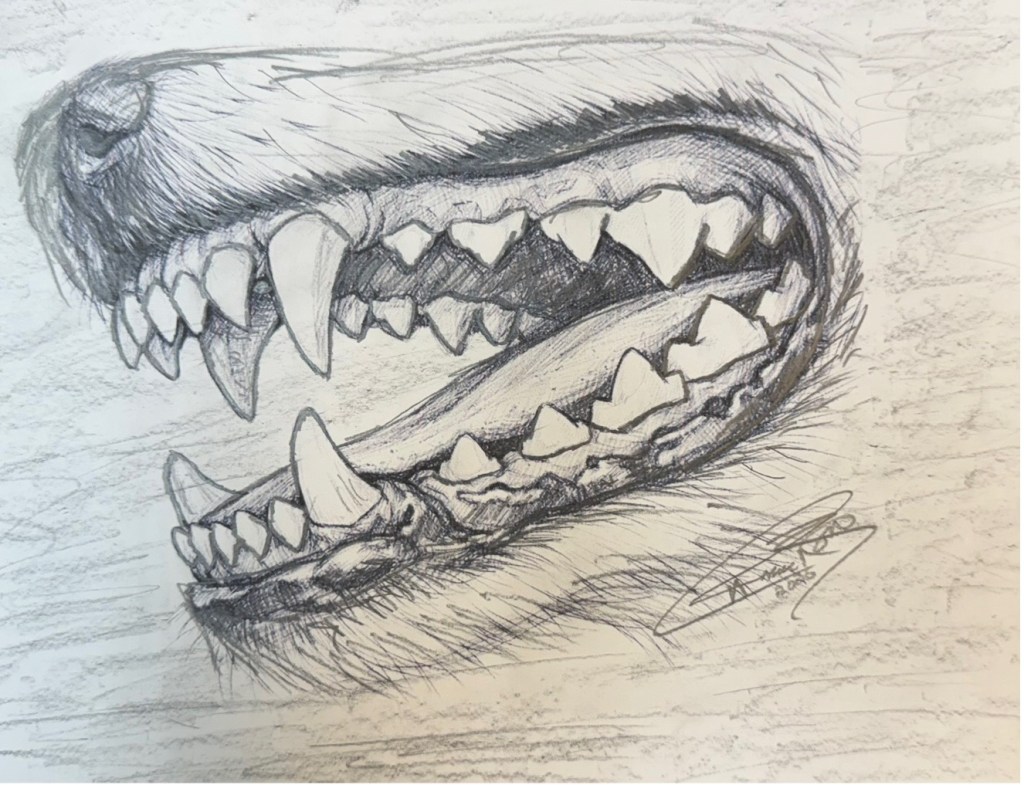
My Take Tuesday: The Quiet Disease
It doesn’t make a sound.
It doesn’t limp.
It doesn’t usually wake anyone up at 2 a.m.
And yet, it’s one of the most painful, most common, and most overlooked diseases I see in dogs and cats every single day.
Periodontal disease.
By the age of three, most dogs and cats already have some degree of dental disease. Let that sink in for a moment. Not when they’re old. Not when they’re “slowing down.”
Three years old.
It usually begins quietly. A little tartar. A faint odor that gets dismissed as “normal dog breath.” A bit of redness along the gumline. Nothing dramatic. Nothing urgent.
But beneath the surface, something very different is happening.
Bacteria begin creeping below the gums, slowly destroying the structures that hold the teeth in place. Bone erodes. Infection develops. Pockets form around the roots of the teeth—areas that can become deeply painful every time a pet chews, picks up a toy, or crunches a piece of kibble.
The remarkable thing about animals is how well they hide their discomfort. They don’t complain. That’s the hard part.
They keep eating.
They keep wagging their tails.
They keep purring.
So, we assume everything must be fine.
But often, it isn’t.
Over the years, I’ve examined mouths where teeth were literally floating in infection. I’ve removed fractured, diseased teeth from pets who never missed a meal and never once showed an obvious sign of pain. I’ve seen dental infections severe enough to impact the heart, liver, and kidneys.
And almost every time, the owner says the same thing:
“I had no idea.”
That’s the tragedy of dental disease.
It hides in plain sight.
But there is good news.
Dental disease is one of the most preventable conditions in all of veterinary medicine.
Simple steps—regular brushing, dental diets, appropriate chews, and periodic professional cleanings—can dramatically slow the progression of disease. Preventive care is far easier, less invasive, and far less costly than treating advanced infection once teeth become loose and require surgical extraction.
I often explain it this way:
Prevention is maintenance.
Treatment is repair.
And repair is almost always more expensive, more involved, and harder on everyone—especially the pet.
I understand the hesitation. Dental procedures require anesthesia. They require planning and investment. They don’t always feel urgent when your pet still seems happy and playful.
But waiting rarely saves money. It simply allows the disease to progress.
Healthy mouths mean:
• less pain
• better appetite
• longer tooth retention
• lower risk of systemic disease
• better overall quality of life
And for our pets, quality of life is everything.
They don’t choose daily brushing.
They don’t schedule dental cleanings.
They don’t know prevention is even possible.
That responsibility falls to us.
So, if your dog’s breath could knock a buzzard off a gut wagon… if your cat drools, paws at the mouth, or avoids crunchy food… or if it’s simply been a few years since anyone has taken a close look at those teeth—it might be time.
Because the quiet diseases are the ones that steal comfort the longest.
And in veterinary medicine, one of the greatest gifts we can give our patients isn’t dramatic, last-minute heroics.
It’s preventing the pain they never had the words to tell us about.
And that is My Take.
N. Isaac Bott, DVM
 DocBott