
My Take Tuesday: The Adroit Veterinarian
A few years ago, I had the privilege of visiting a small animal shelter in Cuautla, Mexico. In rural areas like this, unclaimed pets roam the streets, often fending for themselves in harsh conditions. Yet, this humble shelter stood as a beacon of hope, providing care, compassion, and sanctuary to countless animals in need.
The journey there remains etched in my memory. Our rickety micro-bus rattled along dusty, winding roads framed by vibrant green fields and trees, nature’s quiet testament to the beauty of this remote region. As we passed a modest panadería, the air was saturated with the warm, inviting aroma of freshly baked bread, churros, and pastries. This momentary sweetness was a stark contrast to the sobering reality we were traveling toward.
When we arrived, a large chain-link fence separated the shelter from the outside world. Within its borders stretched a serene refuge: rows of modest buildings and kennels nestled among meticulously groomed lawns. This was no ordinary shelter; it was a sanctuary, a place where lives—both human and animal—found renewal.
As I stepped out of the vehicle, my attention was drawn to a dog bounding across the grass with unrestrained joy. A custom-made wheelchair supported its paralyzed hind legs, allowing it to move freely, carefree and alive. Watching this remarkable creature revel in its newfound freedom filled me with a profound sense of gratitude. I knew I had arrived somewhere extraordinary.
On this particular day, my role was to assist in spaying ten dogs residing at the shelter. However, as I entered the surgery suite, my confidence wavered. The room was stark and dim, its dark brown cement walls reflecting none of the light streaming through a single north-facing window. Electricity, a convenience I had taken for granted, was absent.
Doubt surged. How can I perform surgery without proper lighting or modern tools? How can I even see what I’m doing? For a moment, I felt overwhelmed by the enormity of the challenge before me.
In modern veterinary medicine, technology provides the foundation for precision and safety. Electronic monitors track every vital sign—blood pressure, oxygen saturation, heart rate. Anesthetic gases such as Isoflurane and Sevoflurane ensure smooth recoveries. Adjustable surgical lights illuminate the tiniest details. Here, none of these luxuries existed.
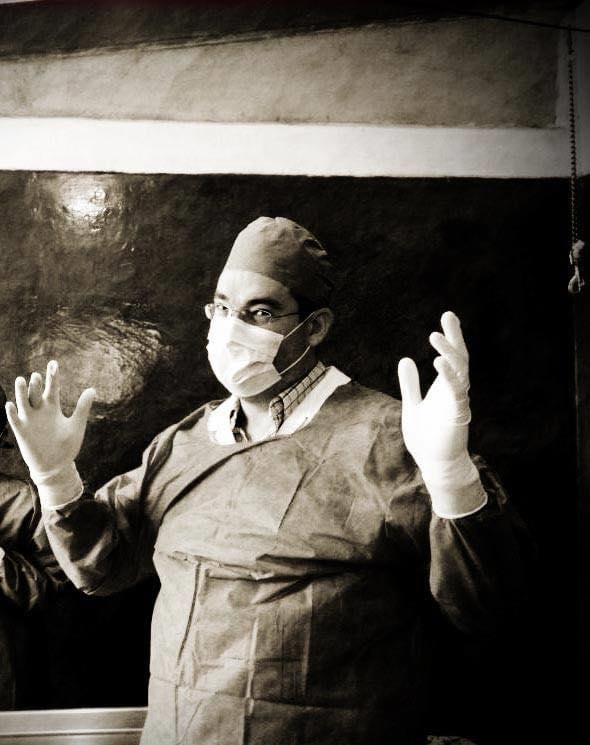
As I prepared to begin, the hurdles multiplied. The only surgical gown available barely fit my 6’2” frame, and the size 6.5 latex gloves constricted my hands, exacerbating my worry about a severe latex allergy. The stainless-steel surgical table was fixed at a height that forced me to hunch awkwardly, while monitoring relied solely on the rhythmic sound of a stethoscope. Anesthesia consisted solely of injectable drugs.
I closed my eyes, inhaled deeply, and reassured myself: You can do this. Trust your training. Trust your judgment.
With a bead of sweat tracing its path down my forehead, I made the first incision. Anxiety gave way to focus as I leaned into my skills, relying on intuition and experience. One by one, each surgery was completed successfully. Despite the lack of modern conveniences, every patient recovered without complications.
This experience was a humbling reminder of how much I depend on the technological marvels of my daily practice at Mountain West Animal Hospital. Digital radiology, advanced monitoring systems, and precision surgical tools have become staples of modern veterinary care. Yet, that day in Cuautla taught me an invaluable lesson: the heart of veterinary medicine is not technology—it is adaptability, resourcefulness, and unwavering dedication to the animals we serve.
As I left the shelter that evening, a wave of relief and pride washed over me. This experience had challenged me, tested me, and ultimately transformed me. It became the defining moment in my career, teaching me that true excellence transcends circumstance. A skilled veterinarian can deliver exceptional care, whether in a cutting-edge facility or a dimly lit cement room without electricity.
The methods may differ, but the mission remains constant: to heal, to comfort, to serve.
I will forever be grateful for the lessons learned at that tranquil sanctuary in Cuautla, Mexico.
And that is my take.
N. Isaac Bott, DVM
Here I am pictured before the first surgery. The ill-fitting gloves and gown tell the story of the challenges ahead, but behind the surgical mask lies a nervous smile and a heart filled with determination.
 DocBott