
My Take Tuesday: Why did you become a veterinarian?
“Why did you become a veterinarian?” I receive this question on a regular basis. While many veterinarians recall a lifelong ambition to enter the field, my journey took a different path. Although I always had a deep affection for animals, it wasn’t until I turned 21 that I chose to pursue veterinary medicine.
Growing up on a small farm in Castle Dale, Utah, my earliest responsibilities included feeding chickens and gathering eggs, tasks I began at the age of six. Each year, we eagerly awaited the arrival of baby chicks from Murray McMurray Hatchery, their delivery at the post office akin to Christmas morning. My father allowed each of us to select a chick to call our own; I always named mine. Through these chickens, I first experienced the profound human-animal bond. I cherished each one, rejoiced when they began laying eggs, and mourned their eventual passing. Chickens became my favorite animal during childhood, a sentiment that endures to this day.
Despite a childhood surrounded by animals, I hadn’t seriously considered becoming a veterinarian. In high school, an aptitude test suggested I wouldn’t excel in the profession due to my extroverted nature, implying that introversion was a key trait for veterinary success. Trusting the test’s accuracy, I dismissed the idea and contemplated a career in law.
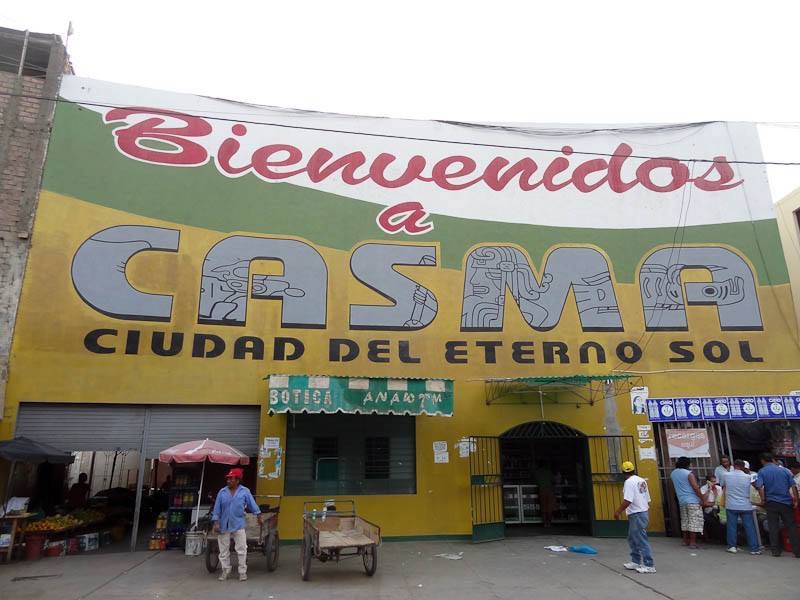
After high school, I spent two years in Peru, immersing myself in a vastly different culture and achieving fluency in Spanish. One day in Casma, I witnessed a group of men castrating a bull by beating its testicles with a large stick—a brutal method that left me feeling deep sympathy for the animal. That night, I pondered their reasons and realized they might not know of a more humane approach. Determined to make a difference, I resolved to educate these farmers on better animal husbandry practices.
My first patient was Walter, a pet pig in Casma with a challenging disposition, whose owners sought castration. With supplies from my friend Duilio Davelos’s pharmacy—lidocaine, suture, iodine, and alcohol—I performed the procedure successfully. Walter’s swift recovery led to word spreading, and soon I spent my Mondays castrating pigs for local farmers, who were receptive to learning new methods. The supplies were affordable, and my service was free.
Next, I applied my childhood experience with chickens to teach basic poultry care and assist in building incubators to boost production. I also began working with llama and alpaca herds. Other missionaries joined these efforts; notably, a human dermatologist from Provo, Utah, had his first surgical experience castrating pigs near Trujillo, Peru. Helping people by improving their animals’ well-being was immensely fulfilling. Introducing local anesthetics and proper surgical preparation reduced post-operative infections, enhancing both animal welfare and farmers’ livelihoods.
As my time in Peru concluded, I reflected on these experiences during the flight home. High above the ground, I decided to become a veterinarian. Upon returning to Utah, I promptly enrolled in college, and after eight and a half years of rigorous study, I achieved my goal.
Looking back, I am grateful for my agricultural upbringing, which unknowingly prepared me for this path. Life’s events often seem random, but in retrospect, the connections become clear. I’m thankful for the opportunity to provide animal care in a distant place, an experience that led me to the remarkable career I enjoy today. I cannot imagine doing anything else.
And that is my take!
N. Isaac Bott, DVM
 DocBott