
My Take Tuesday: The Plasticity of Parturion
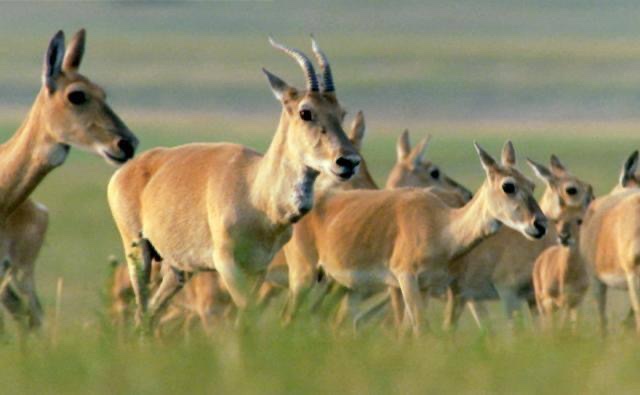
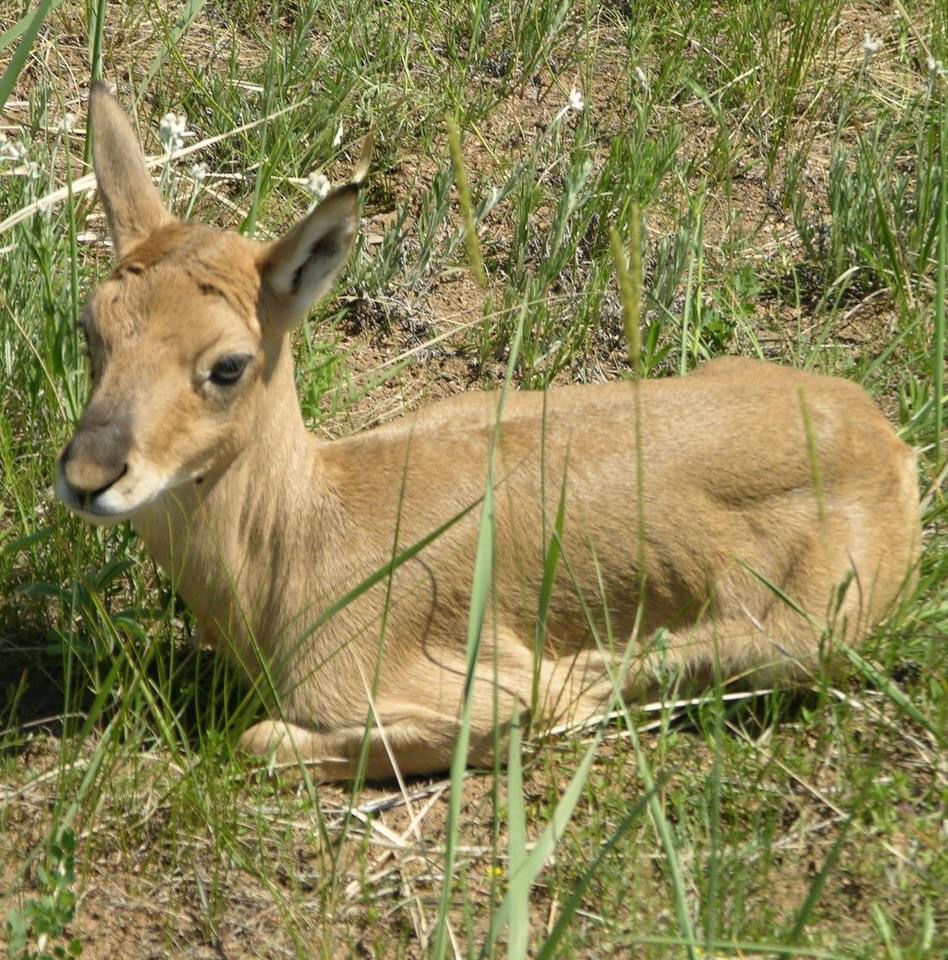
Mongolian gazelle (Procapra gutturosa), are a medium-sized antelope with a heart-shaped patch of white fur on their rump. They are among the last great herds of migratory wildlife. Over 1.5 million of these antelope migrate across the vast expanse of Mongolia’s Eastern Steppe—the largest intact grassland in the world—as they search for forage throughout the year.
Herds of as many as 100,000 gazelle are commonly seen across the steppe with larger congregations occasionally reported. During the two weeks of the calving season, up to 400,000 females will gather, and the vast majority will give birth within a four-day period. This is a unique phenomenon. This is thought to be a strategy to reduce neonatal death loss due to predation. This synchronicity also ensures that the young will grow big enough by winter to survive the harsh weather. Some studies also hypothesize and attribute the synchronization of parturition to plant phenology, with birth occurring when there is maximum available forage.
This synchronization of parturition has been described in reindeer, caribou, alpacas, wildebeest and many other migratory species. It has also been described in other species such as the banded mongoose. Induction of parturition among animals varies greatly, but nearly all of them involve progestagens, estrogens, progtaglandins and oxytocin. These adaptations are not only beneficial to the offspring, but are mutualistic for the dam as well.
Nature has created many adaptations that we are just beginning to understand. Over thousands of years, these species have survived because of these unique adaptations. As we learn more about exactly how this phenomenon occurs, it will have a significant impact on use in species conservation and agricultural animal production.
Clearly, the future of this technology in the conservation of endangered species as well as in agricultural production will rely on our developing a better understanding of the interaction of reproductive function with such diverse aspects of animal management as behavior, nutrition, stress and genetics. Who knows, perhaps this technology application can also help humans.
And that is my take.
N. Isaac Bott, DVM
 DocBott