
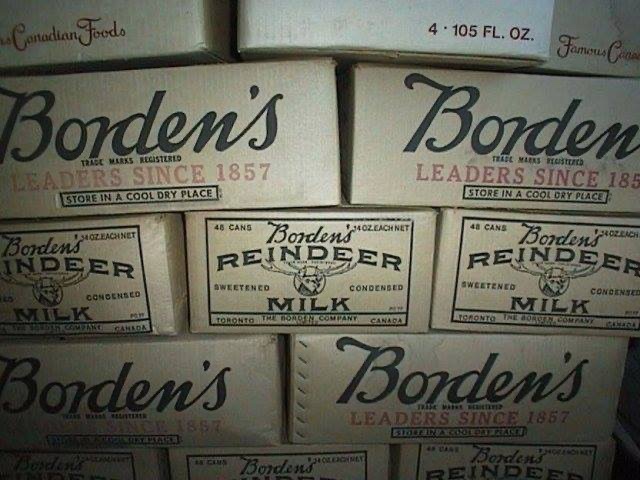
My Take Tuesday: Reindeer Milk
I am amazed daily as I see the growth of the reindeer calves born each spring. The calves are born weighing around 12 pounds. By December, they weigh well over 100 pounds and their size approximates that of their mother.
How do reindeer grow so fast? The answer is in the milk.
Reindeer milk is very high in fat compared to milk from other domestic species. A Jersey cow, known for its high butterfat content, only has about 4% milk fat. Reindeer milk registers at a whopping 24% milk fat! They rank first in fat content among milk consumed by humans. Yes, people do consume reindeer milk in certain parts of the world.
As you can imagine, it takes two people to milk a reindeer, one to wrestle with the antlers and the other to do the milking. The whole operation is extremely labor intensive, with not much milk produced.
Other milks that are high in overall fat are not consumed by humans. These include gray seal milk, with 53.2 percent fat, whale milk, with 34.8 percent fat, and polar bear milk with 31 percent fat. Other high-fat animal milks include cat, rabbit, rat, deer, dolphin and elephant, all of which have between 10 and 20 percent fat content.
Clearly, fat content varies depending on the needs of the offspring of each individual species. I find it fascinating to learn about these differences.
Does Santa Claus drink reindeer milk? If he’s a fit Santa, he probably does. With such a high fat content and just 2.4 percent milk sugar, on paper it is a perfect fit for low-carb fitness buffs. As for Santa’s reindeer, it’s no wonder they turned out smart enough to find every house in the world without stopping for directions.
I still haven’t been brave enough to try reindeer milk. Maybe someday….
And that is my take!
N. Isaac Bott, DVM
 DocBott